Roof replacement
Roof replacement removes the old roofing down to the decking, repairs damaged decking, and installs new underlayment, flashing, ventilation and roofing. It's the right call when a roof is at the end of its life or damage is widespread.
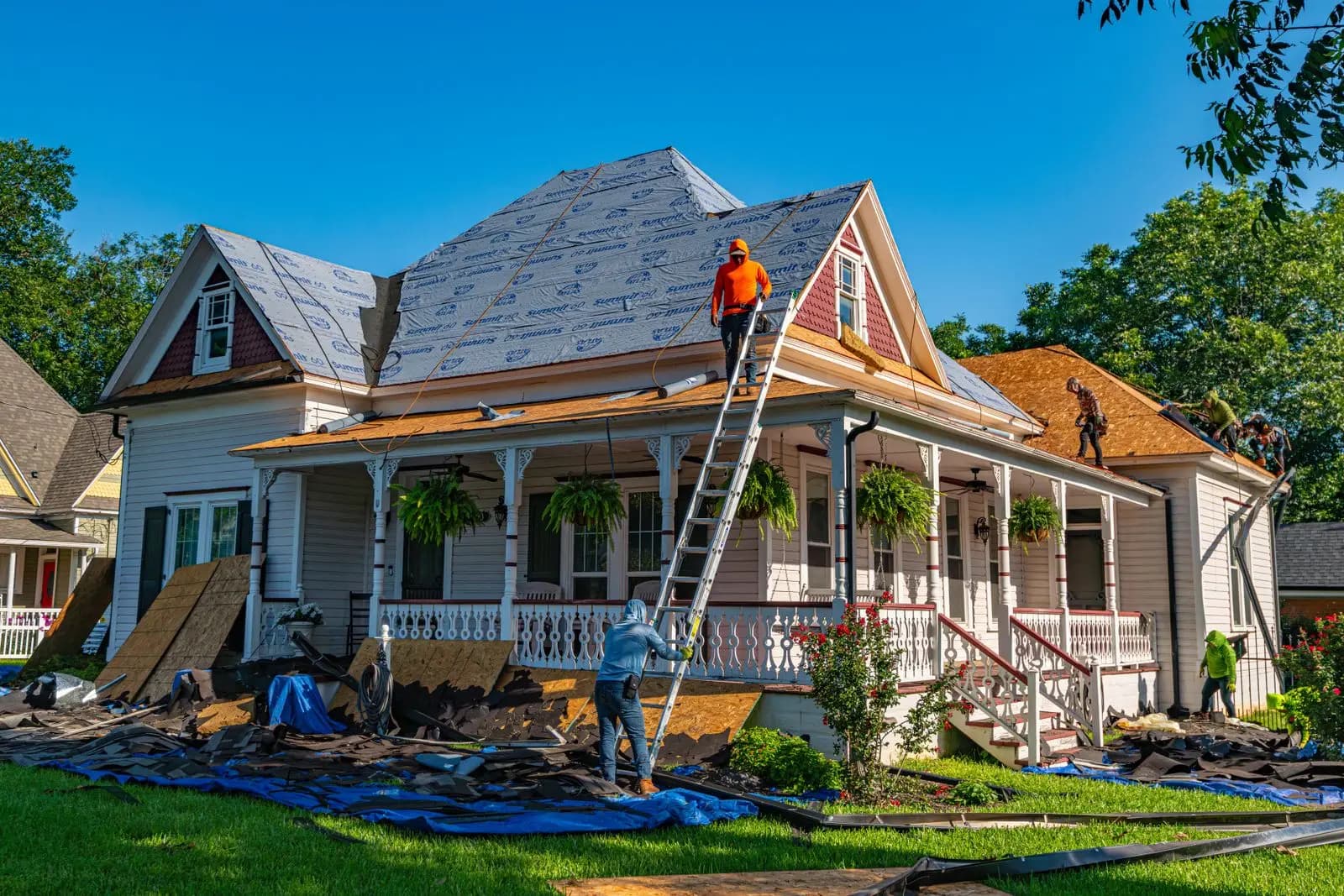
- Fast callback on emergency requests
- Independent local roofers that serve your ZIP
- Photos and a written report for your insurer
- Free to call; the roofer quotes before work starts
Asphalt shingle roofs commonly last around 20 to 30 years depending on the product, ventilation and climate. Widespread curling, cracking, bald spots with granule loss, and repeated leaks are the usual signs that repairs no longer pay off.
A full tear-off lets the crew inspect and replace rotted decking and install new ice-and-water shield where your climate calls for it. Most jurisdictions require a permit for replacement. Ask about both the manufacturer's material warranty and the contractor's workmanship warranty. For longer life, consider metal roofing.
Replacement is the one roofing job where cheap beats nothing and then beats you: the difference between crews is mostly what you can't see, the decking repairs, underlayment, flashing and ventilation. Get at least two written scopes that name materials by brand and line, and compare them line by line rather than by total alone.
Roof Replacement at a glance
- What it is
- Roof replacement removes the old roofing down to the decking, repairs damaged decking, and installs new underlayment, flashing, ventilation and roofing.
- Urgency
- Soon. Start within a day or two.
- Typical steps
- Estimate and permit → Prepare the site → Tear-off → Install → Ventilation and flashing → Inspect and clean up
- Who does it
- An independent, local roofing contractor
Signs
When you need roof replacement
- Shingles curling, cracking or losing granules across the roof
- Multiple leaks or repeated repairs
- Sagging areas in the roof line
- Daylight through the decking in the attic
- Widespread hail or wind damage
- The roof is over 20 years old and showing its age
- Moss or algae growth that keeps coming back
- Neighbors with similar homes replacing theirs
- Higher energy bills from poor attic ventilation and insulation
- Shingle tabs breaking off in your hand when touched
Process
What the crew does
- 1
Estimate and permit
Measurements, material choice and a written contract; the contractor pulls the permit.
- 2
Prepare the site
Landscaping is protected, vehicles are moved, and dumpsters are placed.
- 3
Tear-off
Old roofing is removed and decking inspected; damaged boards are replaced.
- 4
Install
Underlayment, ice-and-water shield, flashing, vents and the new roofing go on.
- 5
Ventilation and flashing
Ridge vents, intake vents and all flashing are installed or replaced new, not reused.
- 6
Inspect and clean up
Final inspection, magnetic nail sweep and warranty paperwork.
Before and after
What the result can look like
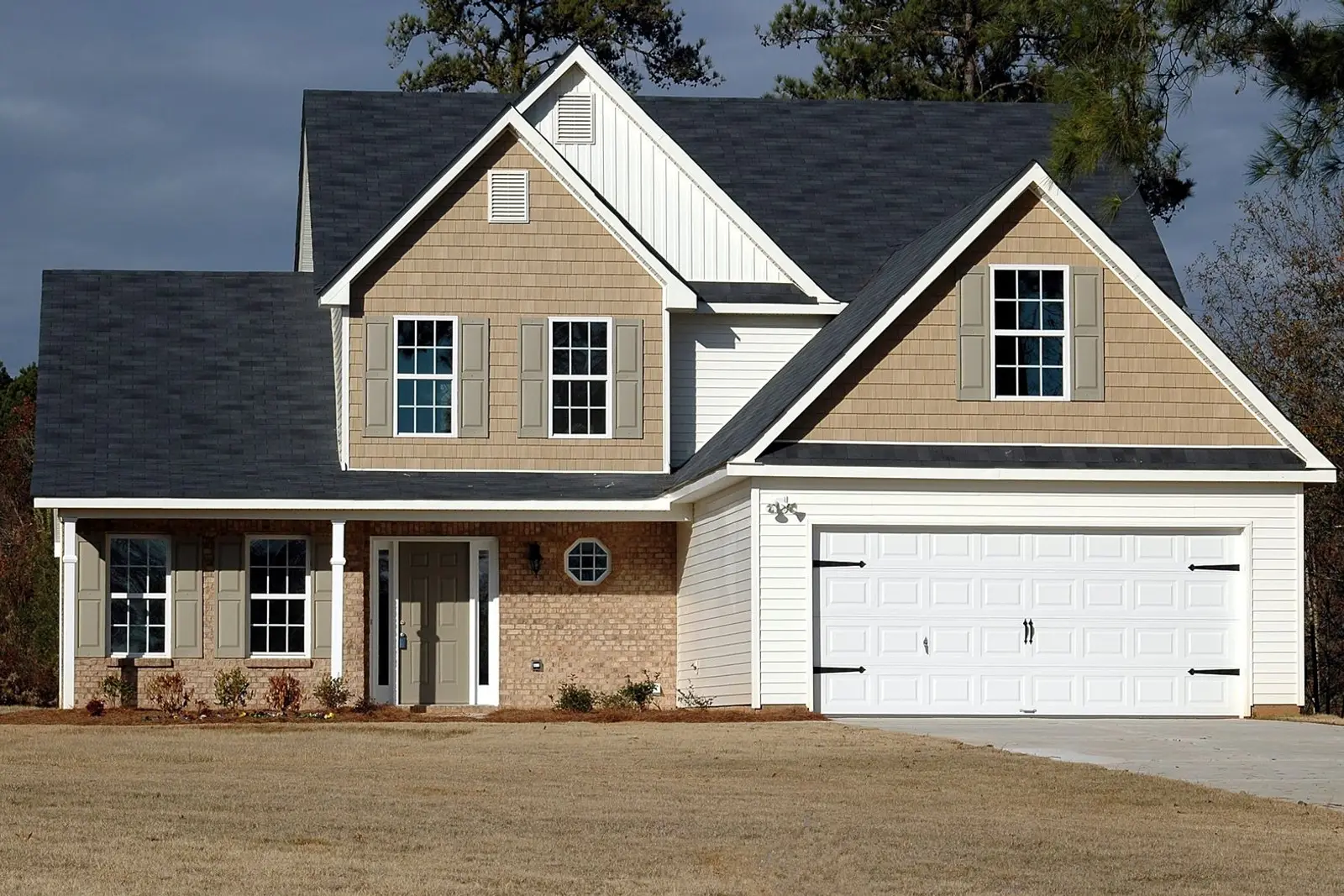
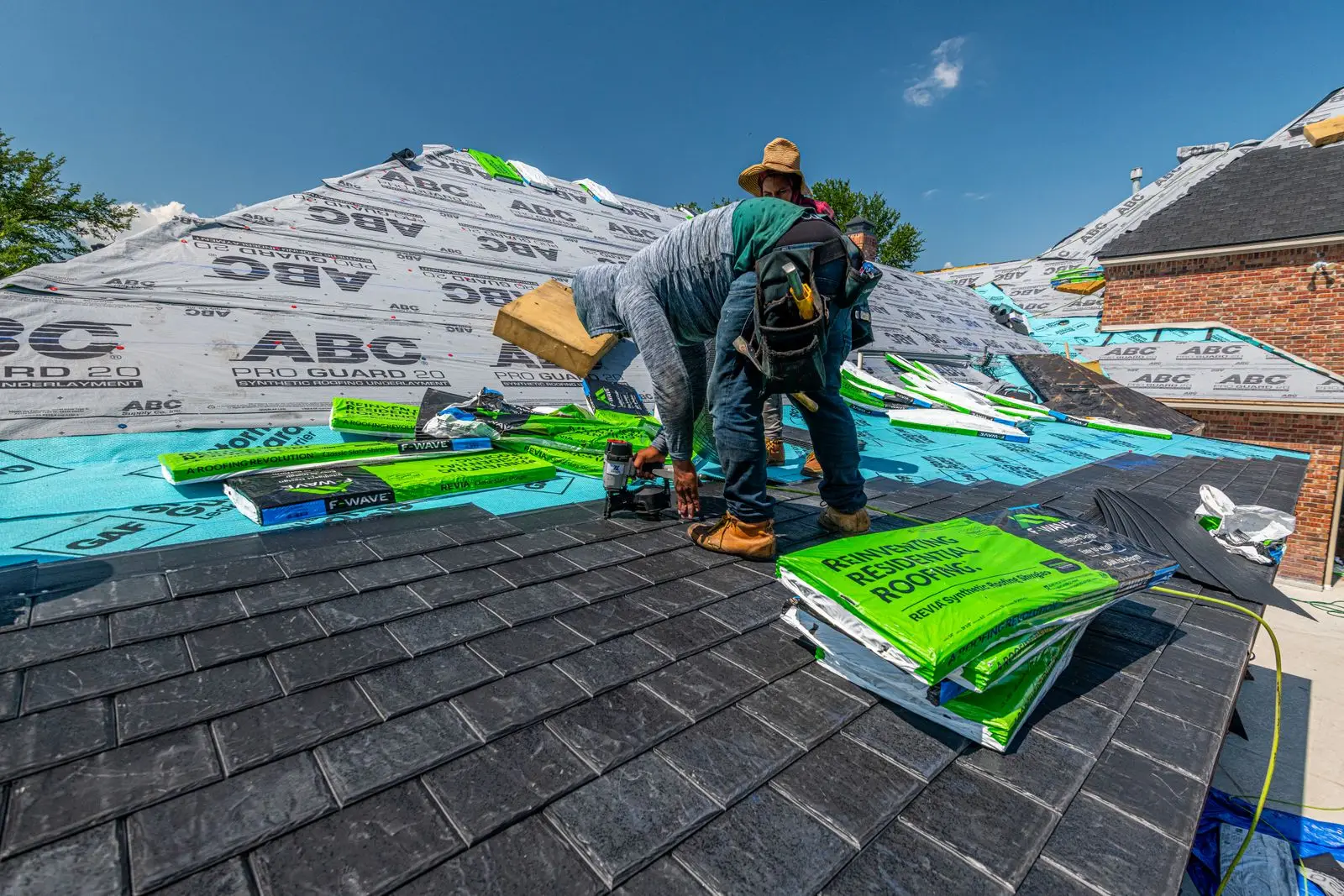
Roof replacement
Tear-off, decking check and new underlayment, then new shingles, flashing and ridge vent.
Illustrative example using stock photos, not a job by a contractor in our network.
Cost
What affects the price
Every job is scoped on site. These are the factors that move the number.
- Roof size in squares and number of layers to remove
- Pitch, height and complexity (valleys, dormers, skylights)
- Material: architectural shingles, metal, tile or others
- Decking replacement and ventilation upgrades
- Permits and local code requirements
- Accessibility for dumpsters and material delivery
- Season and crew scheduling demand
Before the crew arrives
What you can do, and when to stop
Safe to do
- Clear the driveway and move vehicles
- Protect items in the attic from dust
- Ask neighbors to expect noise
- Take pictures off the walls before the tear-off vibration
- Confirm permit and dumpster placement with the contractor
Stop and call if
- Any tear-off or installation work
- Helping the crew on the roof to 'save money'
- Removing old shingles yourself without fall protection
- Reusing old flashing to cut costs
FAQ
Roof Replacement questions
How long does a roof replacement take?
Many single-family roofs are done in one to three days, weather permitting. Complex or larger roofs take longer.
Can new shingles go over old ones?
Some codes allow one overlay, but a tear-off lets the crew inspect and repair the decking and usually gives a better, longer-lasting result.
Do I need a permit to replace my roof?
Most cities and counties require one. A licensed contractor normally pulls it and schedules the inspection.
What happens to my gutters and skylights during replacement?
Gutters are usually removed and rehung or replaced; skylights are best replaced at the same time since the flashing is already exposed.
Can I stay home during the tear-off?
Yes, most owners do. Expect loud noise, vibration and workers on the property all day. Pets and small children handle it better elsewhere.
How do I pick shingle color and style?
Architectural shingles in a mid-tone that suits your siding and brick are the safe default. Manufacturers' visualizers and sample boards help; darker colors show heat more.
What is ice-and-water shield and do I need it?
A self-sealing waterproof membrane applied at eaves, valleys and penetrations. It's required by code in cold climates and cheap insurance anywhere ice dams or wind-driven rain occur.
What should the contract include?
Materials by brand and product line, tear-off depth, decking replacement terms, underlayment and flashing details, ventilation changes, cleanup, timeline, payment schedule and both warranties.
Will a new roof lower my insurance premium?
Sometimes, especially with impact-resistant shingles or in wind-prone areas where insurers discount fortified roofs. Ask your agent before you choose materials.
Roof Replacement by state
Roof Replacement in popular cities
Related
Related services
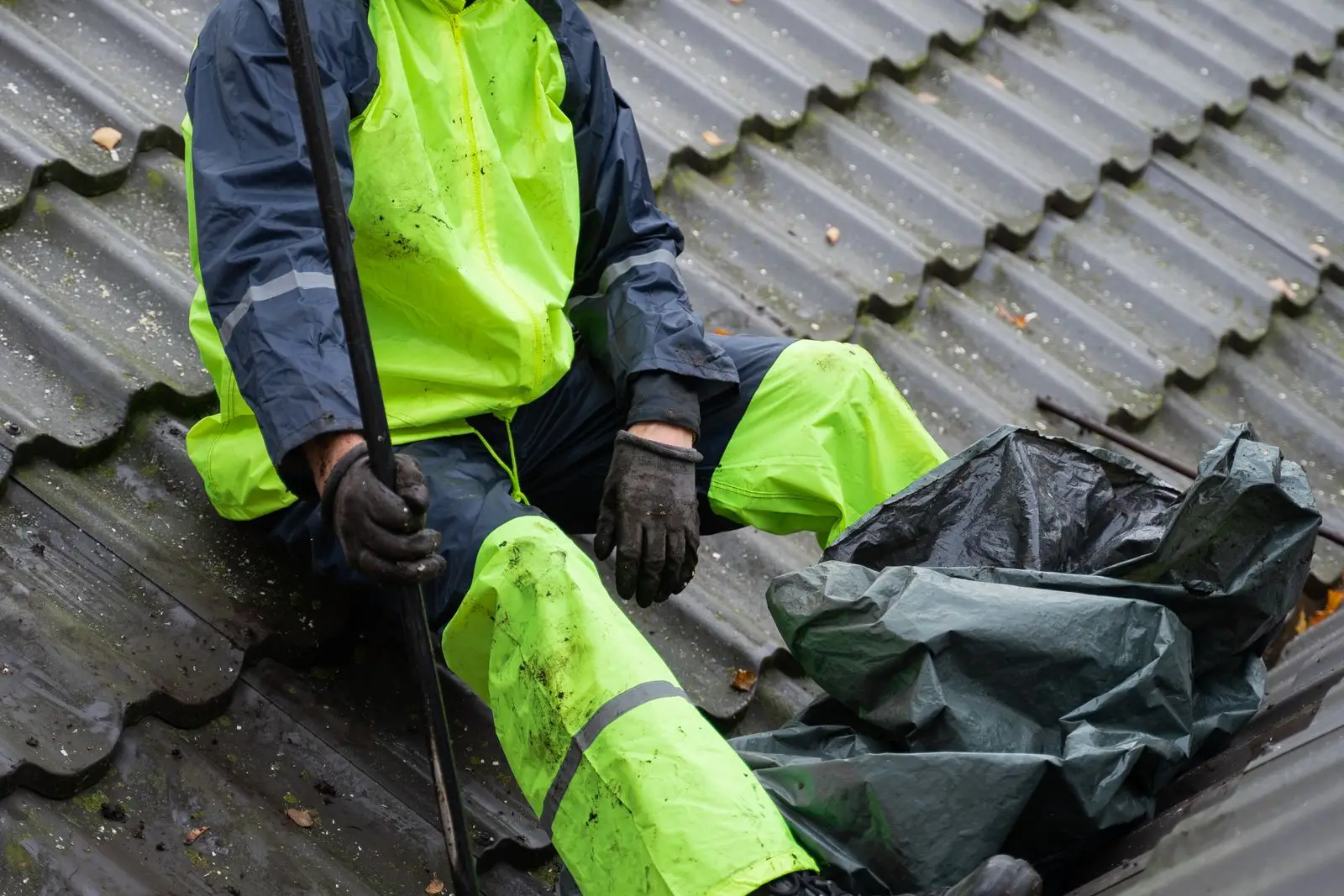
Metal Roofing
Metal roofing, most often standing seam or exposed-fastener panels, lasts longer than typical asphalt shingles and sheds snow and rain well.
Learn more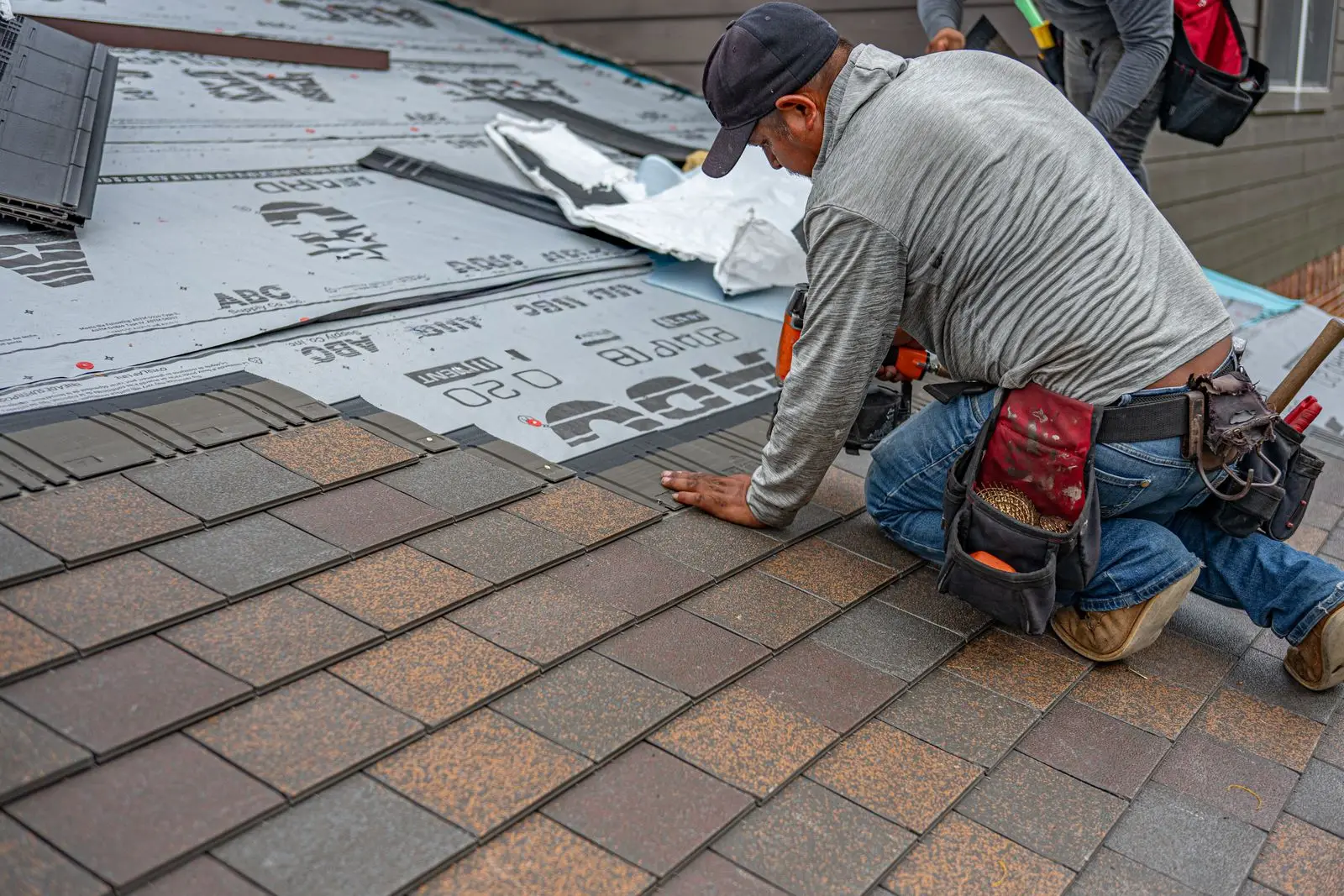
Roof Inspection
A roof inspection checks the shingles or other covering, flashing, vents, gutters, attic ventilation and signs of leaks, then tells you what needs attention now and what can wait.
Learn more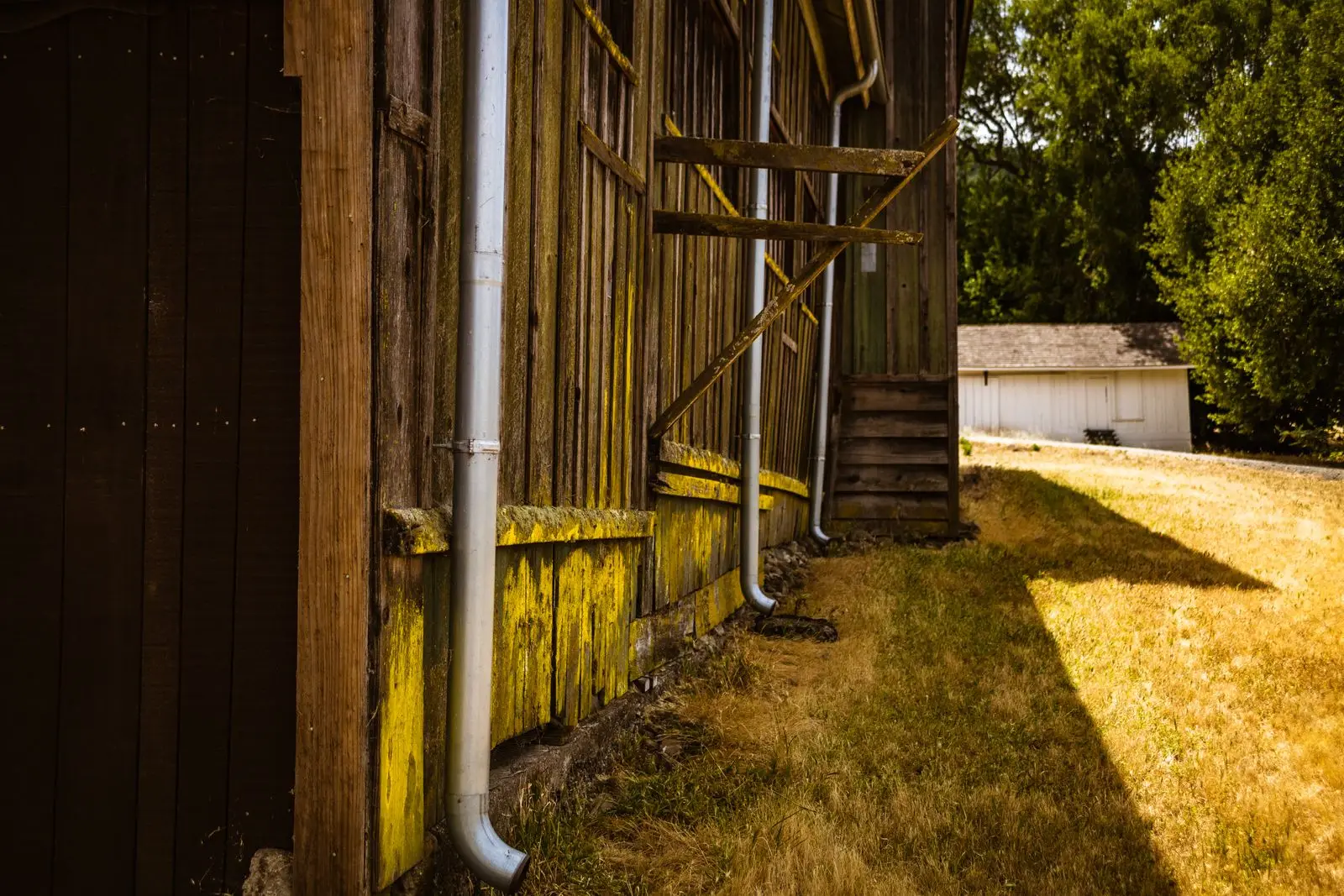
Gutter Installation and Repair
Gutters collect roof runoff and move it away from your fascia, siding and foundation.
Learn moreDeep dives
Roof Replacement specialties
One roof replacement job, in full detail: what it covers, when it's the right fix, and when something else is.
Roof leaking or storm-damaged?
Stop the source if you can, then call. We'll connect you with a local roofing contractor that serves your ZIP.
Fast callback on emergency requests