Emergency service
Roof leak repair
Roof leak repair means tracing water back to where it actually enters, usually flashing, a vent boot, a damaged shingle or a valley, and sealing or replacing that part. The stain on the ceiling is rarely directly under the hole.

- Fast callback on emergency requests
- Independent local roofers that serve your ZIP
- Photos and a written report for your insurer
- Free to call; the roofer quotes before work starts
Water travels along decking, rafters and the top of insulation before it drips, so a leak over the living room may start near a chimney or a pipe vent several feet away. A roofer checks the attic for wet decking and stains, then inspects the matching area outside.
The most common sources are cracked rubber boots around plumbing vents, loose or rusted flashing at chimneys and walls, lifted or missing shingles after wind, and worn valleys. If the ceiling is already wet, see storm damage repair or emergency tarping to stop more water first.
Leak repair is detective work first and roofing work second. A good roofer starts inside, mapping where water shows, then works uphill and outward on the roof until the entry point is found. Guessing and caulking random spots wastes money; the source is fixed once, properly, and then the ceiling below can dry out and be repaired.
Roof Leak Repair at a glance
- What it is
- Roof leak repair means tracing water back to where it actually enters, usually flashing, a vent boot, a damaged shingle or a valley, and sealing or replacing that part.
- Urgency
- Same day. Damage grows by the hour.
- Typical steps
- Trace the leak → Check the decking → Repair the source → Reseal and weatherproof → Confirm it's dry
- Who does it
- An independent, local roofing contractor
Signs
When you need roof leak repair
- A brown stain or ring on a ceiling, often after rain
- Dripping from a light fixture, vent or ceiling seam
- Damp or dark spots on the attic decking or rafters
- Peeling paint or bubbling near the top of exterior walls
- Shingles lifted, missing or curled near chimneys or vents
- A musty smell in the attic or upper rooms after wet weather
- Mold or mildew spots on the underside of the roof deck
- Water stains that grow with each storm
- Rusty drip marks on the furnace or water heater flue
- Insulation in the attic that feels damp or is matted down
Process
What the crew does
- 1
Trace the leak
The roofer checks the attic and the roof above it, often after or during rain, to find where water enters.
- 2
Check the decking
Soft or stained decking around the source is probed; rotted sections are cut out and replaced.
- 3
Repair the source
Flashing is resealed or replaced, vent boots swapped, and damaged shingles replaced and sealed.
- 4
Reseal and weatherproof
Surrounding details, such as nail heads and old sealant, are re-caulked with roofing-grade sealant so nearby weak spots don't become the next leak.
- 5
Confirm it's dry
The area is rechecked after the next rain, and interior drying is arranged if the ceiling got wet.
Cost
What affects the price
Every job is scoped on site. These are the factors that move the number.
- Where the leak is (chimney, valley, vent, skylight or open field)
- Roof pitch, height and access
- Whether decking under the leak has rotted
- Matching existing shingles or other materials
- Interior drywall or insulation damage, often handled separately
- How long the leak went unnoticed and how far water spread
- Whether multiple entry points are found once the roof is opened up
Before the crew arrives
What you can do, and when to stop
Safe to do
- Put a bucket under the drip and move belongings away
- Turn off the circuit if water is near a light fixture
- Photograph the stain and any visible roof damage from the ground
- Look in the attic with a flashlight for the wettest spot
- Poke a small hole in a bulging, water-filled ceiling to release it into a bucket
- Run a fan or dehumidifier in the wet room once the drip stops
Stop and call if
- The ceiling is sagging or bulging with water
- The roof is wet, icy or steep; don't climb on it
- Water is near the electrical panel
- The leak keeps spreading after the rain stops
- You smell gas or see sparking anywhere near the leak
- The attic floor isn't floored and you could fall through the ceiling
FAQ
Roof Leak Repair questions
Can a roof leak be fixed in the rain?
A roofer can usually tarp or temporarily seal a leak in the rain, but permanent repairs need a dry roof. Tarping first prevents more interior damage.
Why is the leak not directly under the stain?
Water follows the decking, rafters and insulation downhill before it drips, so the entry point is often a few feet up-slope from the stain.
Is a roof leak covered by insurance?
Leaks caused by sudden damage, like a windstorm, are commonly covered. Leaks from worn materials or poor maintenance usually aren't. Check your policy.
How do roofers find a leak they can't see?
They start in the attic, following stains and wet wood uphill toward the roof surface, then inspect that area outside. In dry weather some use a hose test, working from low to high while a helper watches inside.
Will you have to open my ceiling to fix a leak?
Usually not for the roof repair itself. But if insulation is soaked or decking is viewed from inside, a small ceiling opening can show how far water spread. Interior drywall work is a separate repair.
Can a leak show up weeks after the storm?
Yes. Water can sit in insulation and between layers, dripping through only when enough collects or when humidity rises. A stain that appears later usually traces back to earlier damage.
Does roofing tar or sealant fix a leak for good?
Sealant is a temporary patch, not a repair. Real fixes replace the failed flashing, boot or shingle so water is redirected, not just blocked at the surface.
The stain dried out on its own. Do I still need a repair?
Yes. A stain that dried means water was there, and the entry point is still open for the next rain. Dried stains also feed mold in insulation and attic air.
How fast does a small leak become a big problem?
A drip can rot decking and grow mold within weeks in warm weather. Once wood stays wet, the repair moves from a simple flashing fix to decking replacement, which costs more.
Should I go into the attic while it's leaking?
A quick look with a flashlight is fine if you can walk on joists or a floored area. Don't step on drywall between joists, and turn off power if water is near wiring or a light box.
Roof Leak Repair by state
Roof Leak Repair in popular cities
Related
Related services
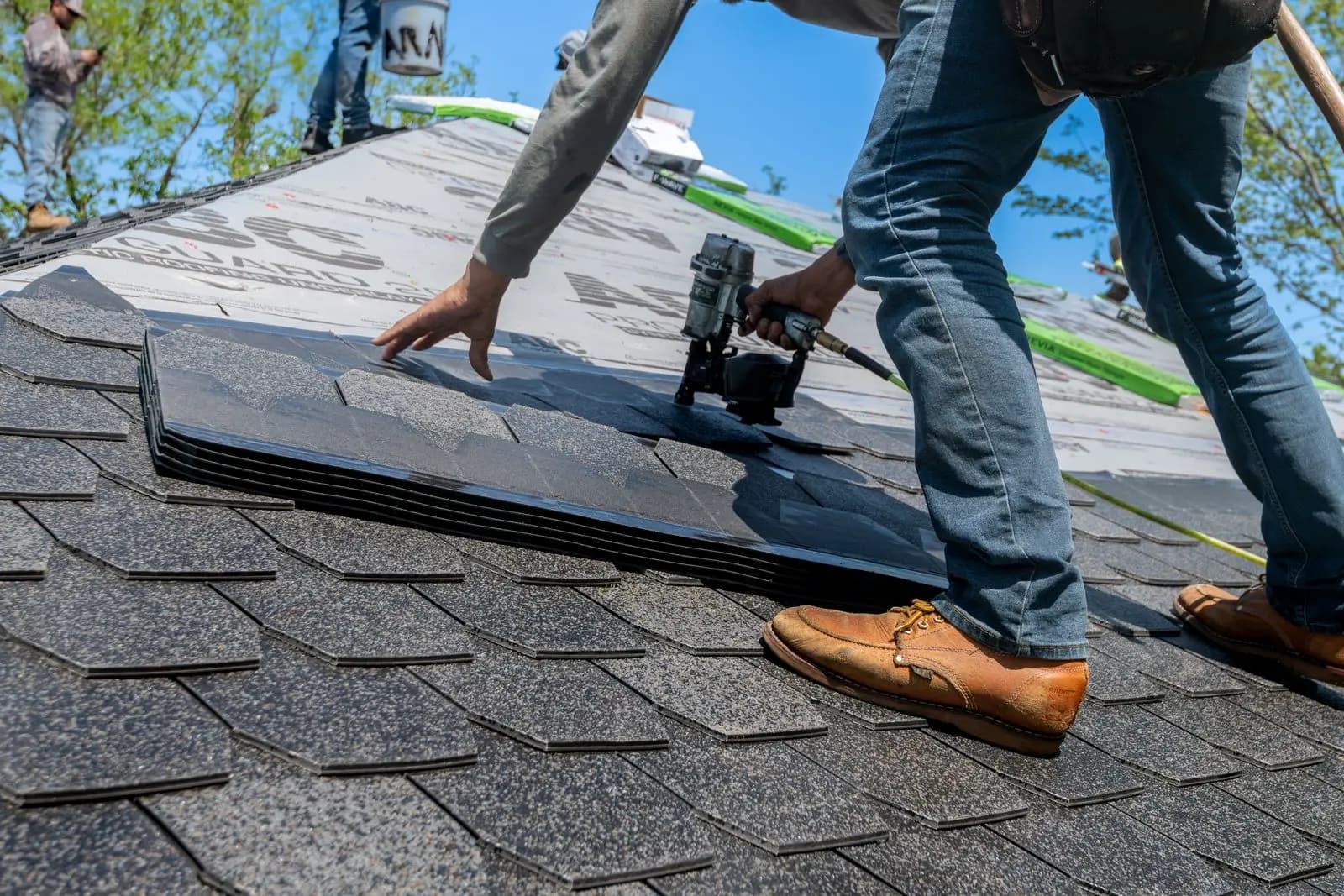
Roof Repair
Roof repair fixes specific problems, such as missing or damaged shingles, loose flashing, cracked vent boots or worn ridge caps, without replacing the whole roof.
Learn more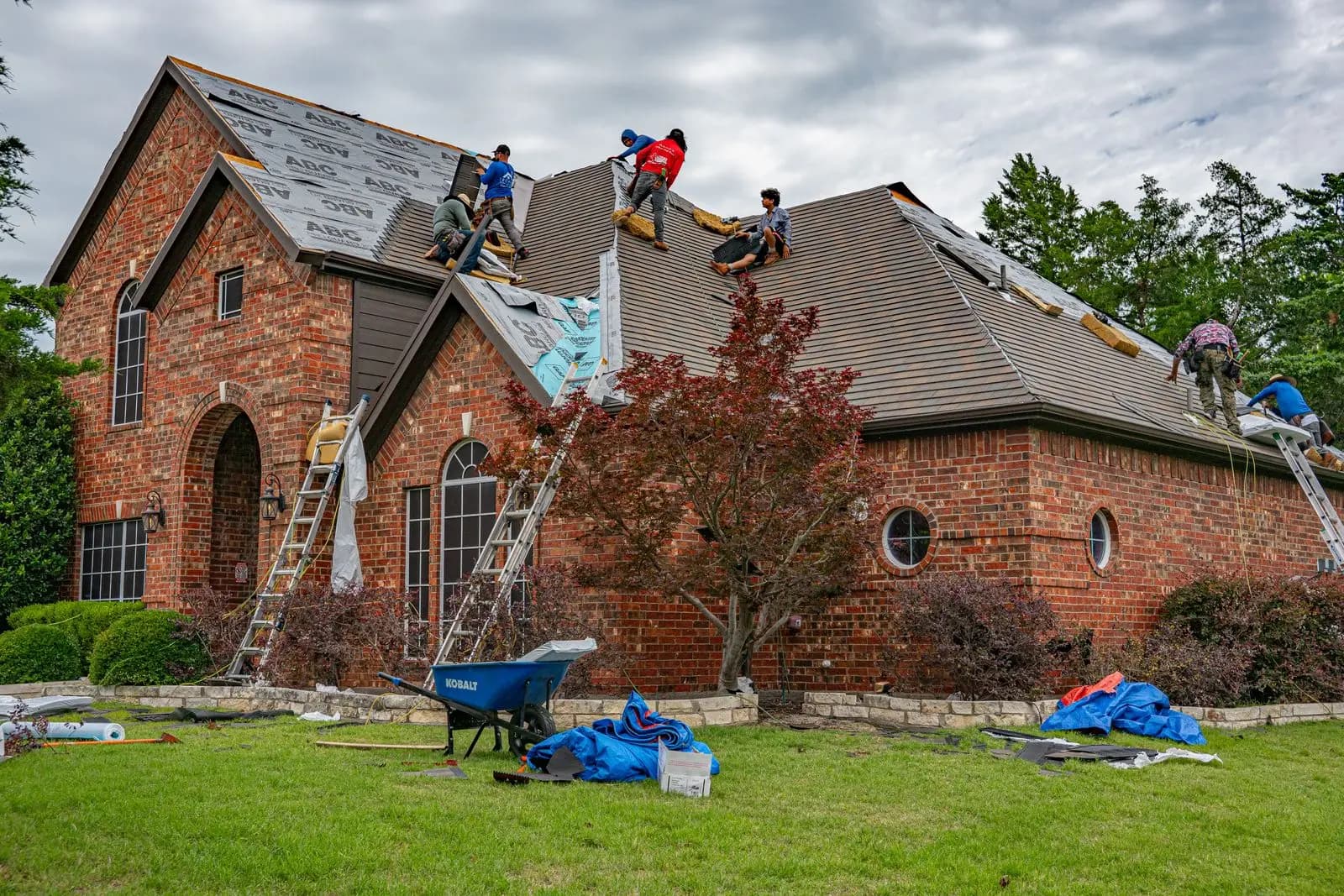
Emergency Roof Tarping
Emergency tarping covers damaged or open areas of a roof with a heavy tarp fastened over the ridge and secured with boards, so rain stays out until permanent repairs are done.
Learn more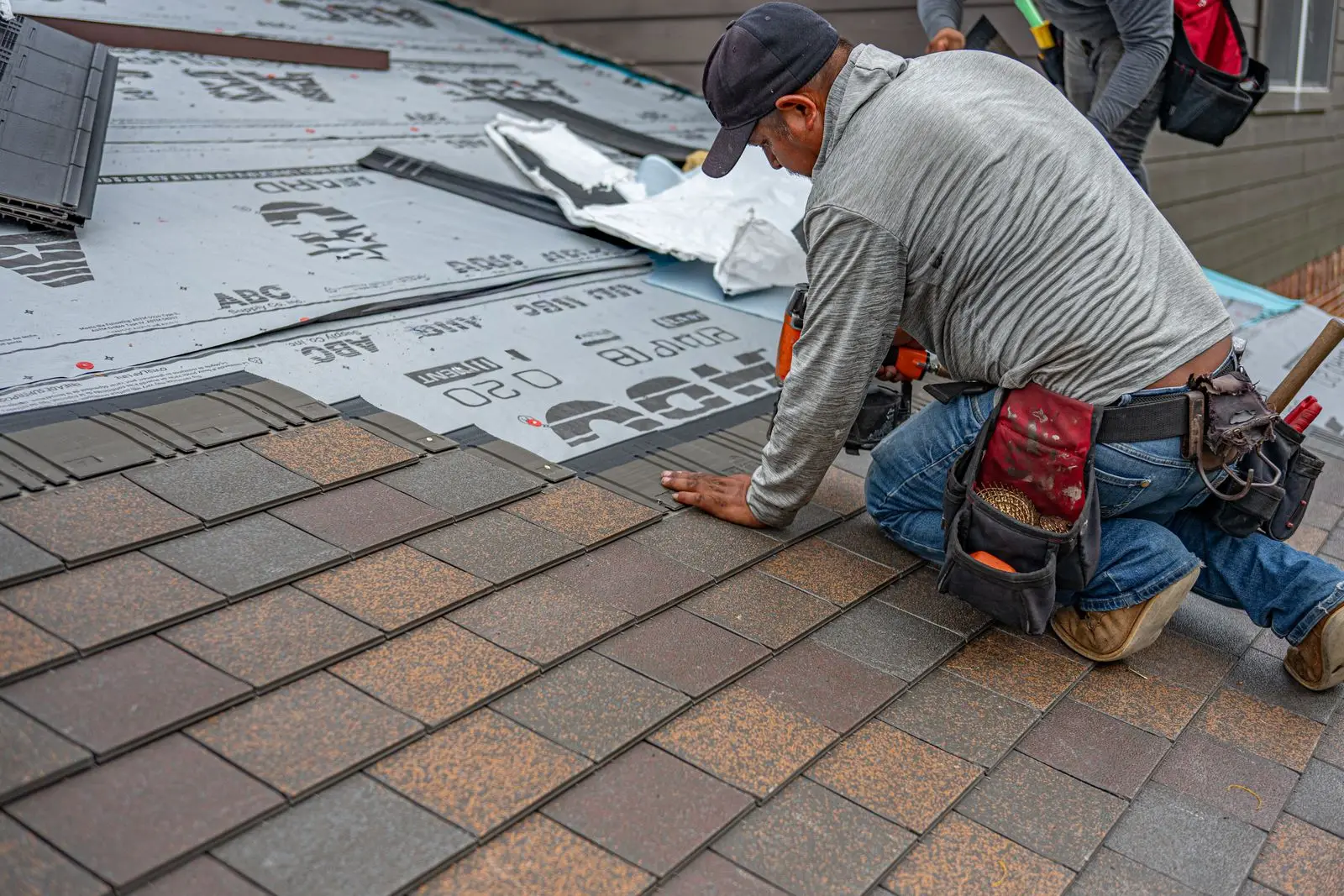
Roof Inspection
A roof inspection checks the shingles or other covering, flashing, vents, gutters, attic ventilation and signs of leaks, then tells you what needs attention now and what can wait.
Learn moreDeep dives
Roof Leak Repair specialties
One roof leak repair job, in full detail: what it covers, when it's the right fix, and when something else is.
Roof leaking or storm-damaged?
Stop the source if you can, then call. We'll connect you with a local roofing contractor that serves your ZIP.
Fast callback on emergency requests