Emergency service
Hail damage roof repair
Hail damage shows up as bruises or dents in shingles, loose granules, cracked vents and dented metal. Many roofs with hail damage don't leak right away, which is why an inspection after a hailstorm matters.

- Fast callback on emergency requests
- Independent local roofers that serve your ZIP
- Photos and a written report for your insurer
- Free to call; the roofer quotes before work starts
Hail knocks granules off asphalt shingles and can fracture the mat underneath. The shingle may look fine from the ground but will age and fail faster. Soft metals such as gutters, vents and flashing dent easily, and those dents help an inspector confirm the hail size.
Insurers usually want to see damage on the roof itself, not just the gutters. A roofer marks test squares, photographs hits, and writes up whether a repair or a full replacement is warranted. Start with a roof inspection.
Hail Damage Roof Repair at a glance
- What it is
- Hail damage shows up as bruises or dents in shingles, loose granules, cracked vents and dented metal.
- Urgency
- Same day. Damage grows by the hour.
- Typical steps
- Inspect → Document for the claim → Meet the adjuster → Repair or replace
- Who does it
- An independent, local roofing contractor
Signs
When you need hail damage roof repair
- Dents in gutters, downspouts, vents or AC fins after a storm
- Granules collecting in gutters or at downspout outlets
- Dark spots or bruises on shingles
- Cracked or split wood shakes
- Neighbors getting roofs replaced after the same storm
Process
What the crew does
- 1
Inspect
The roofer checks each slope, marks hits in test squares and photographs soft metals.
- 2
Document for the claim
Photos, measurements and a written report go to your insurer.
- 3
Meet the adjuster
Many roofers attend the adjuster's inspection to point out damage.
- 4
Repair or replace
Approved work is scheduled, including gutters and vents if they were damaged.
Before and after
What the result can look like
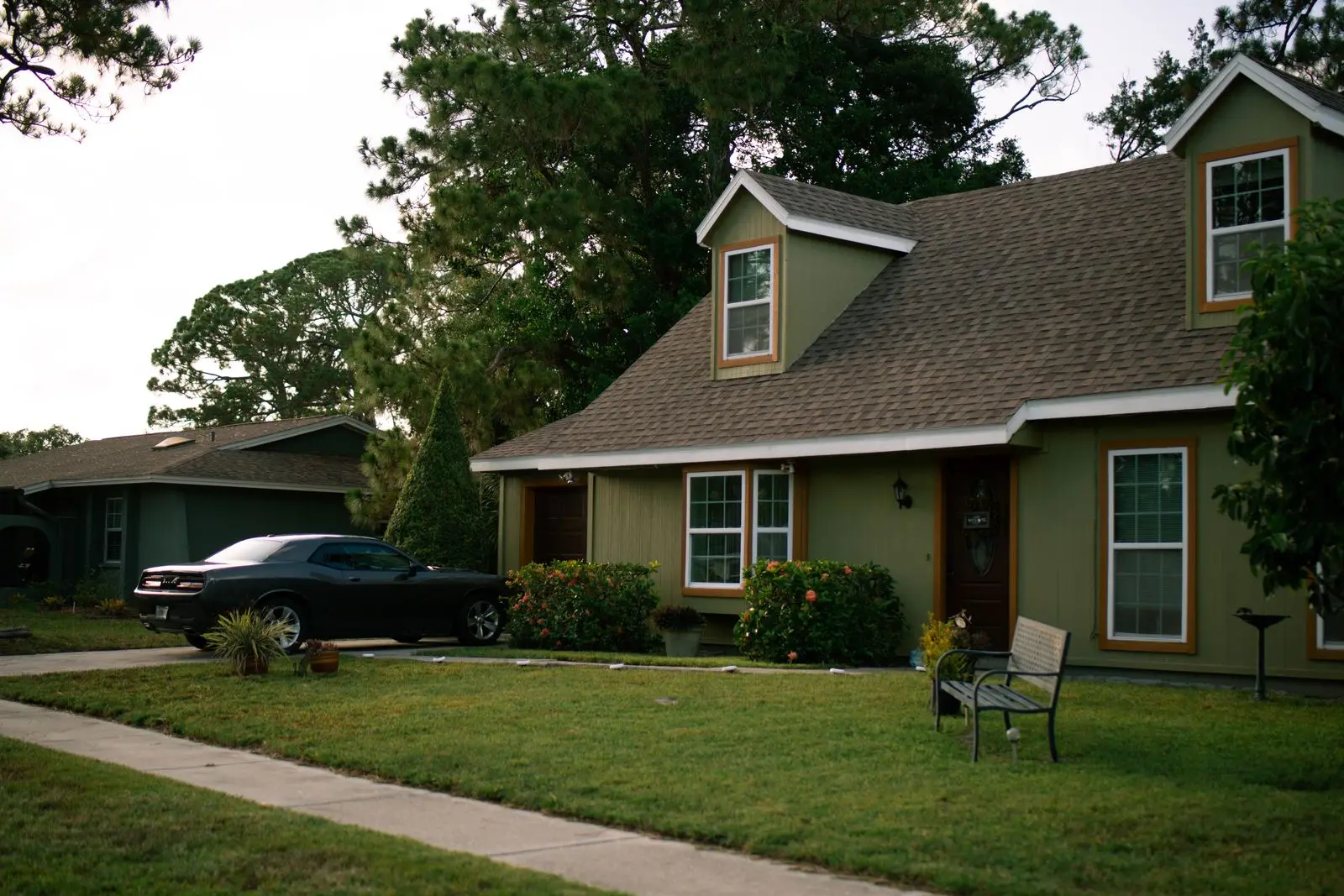
Hail damage
Inspection and claim report after the storm, then a new impact-rated roof.
Illustrative example using stock photos, not a job by a contractor in our network.
Cost
What affects the price
Every job is scoped on site. These are the factors that move the number.
- Extent of damage across slopes
- Roofing material (asphalt, metal, tile, wood)
- Code upgrades required on replacement
- Your policy's deductible and whether it's a percentage wind/hail deductible
- Gutters, vents and skylights also damaged
Before the crew arrives
What you can do, and when to stop
Safe to do
- Note the date and size of the hail
- Photograph dented gutters, vents, cars and patio furniture
- Check ceilings and the attic for leaks
Stop and call if
- You'd have to climb onto the roof to check
- Leaks are already showing inside
FAQ
Hail Damage Roof Repair questions
How big does hail have to be to damage a roof?
Hail around 1 inch in diameter and larger commonly damages asphalt shingles, though older roofs and wind-driven hail can be damaged by smaller stones.
How long do I have to file a hail claim?
It depends on your policy and state. Some policies give one year or less from the storm date, so inspect and file promptly.
Available in 51 states
Related
Related services
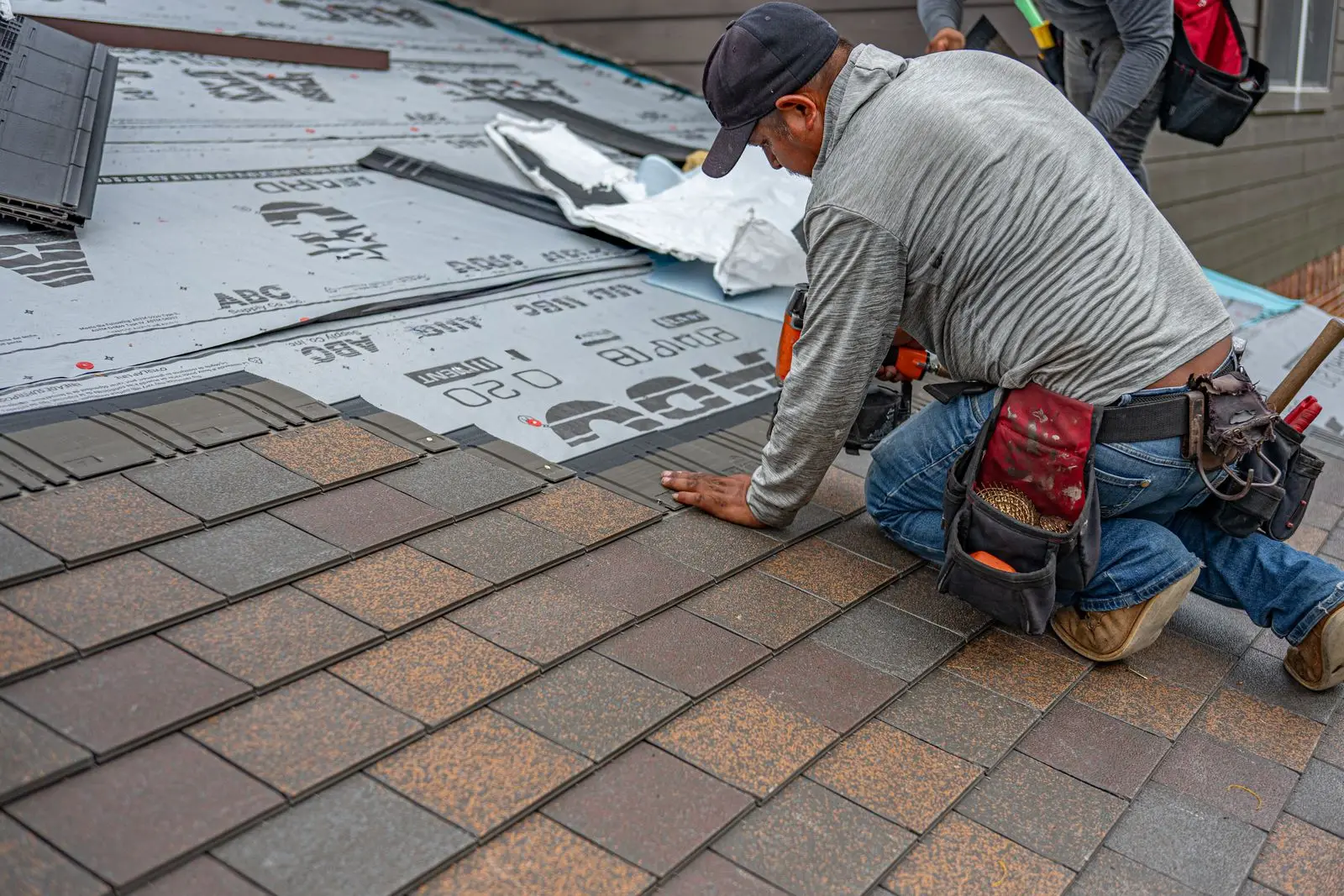
Roof Inspection
A roof inspection checks the shingles or other covering, flashing, vents, gutters, attic ventilation and signs of leaks, then tells you what needs attention now and what can wait.
Learn more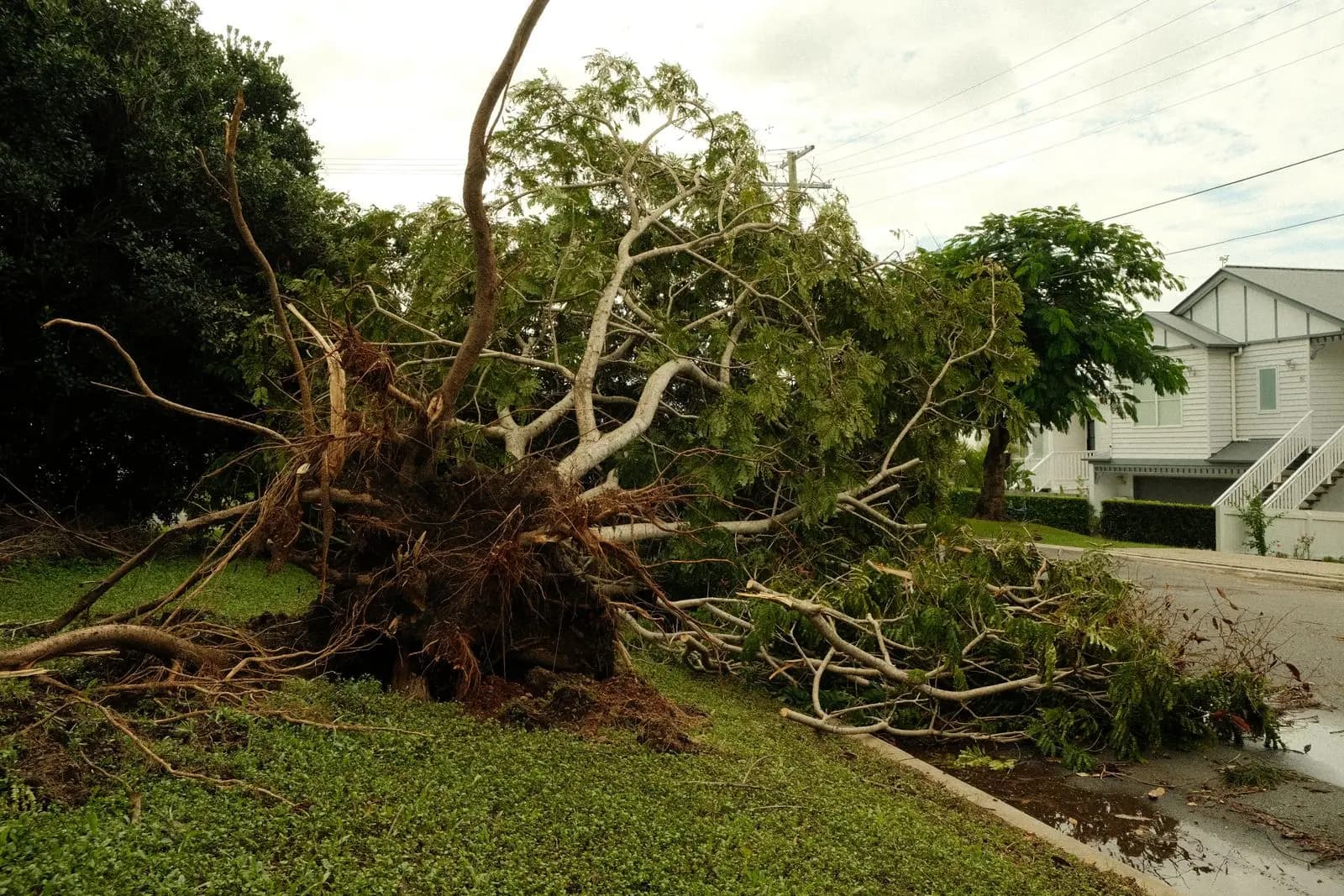
Storm Damage Roof Repair
Storm damage repair starts with stopping water: tarping any openings, then documenting the damage and repairing or replacing what the wind, debris or falling limbs broke.
Learn more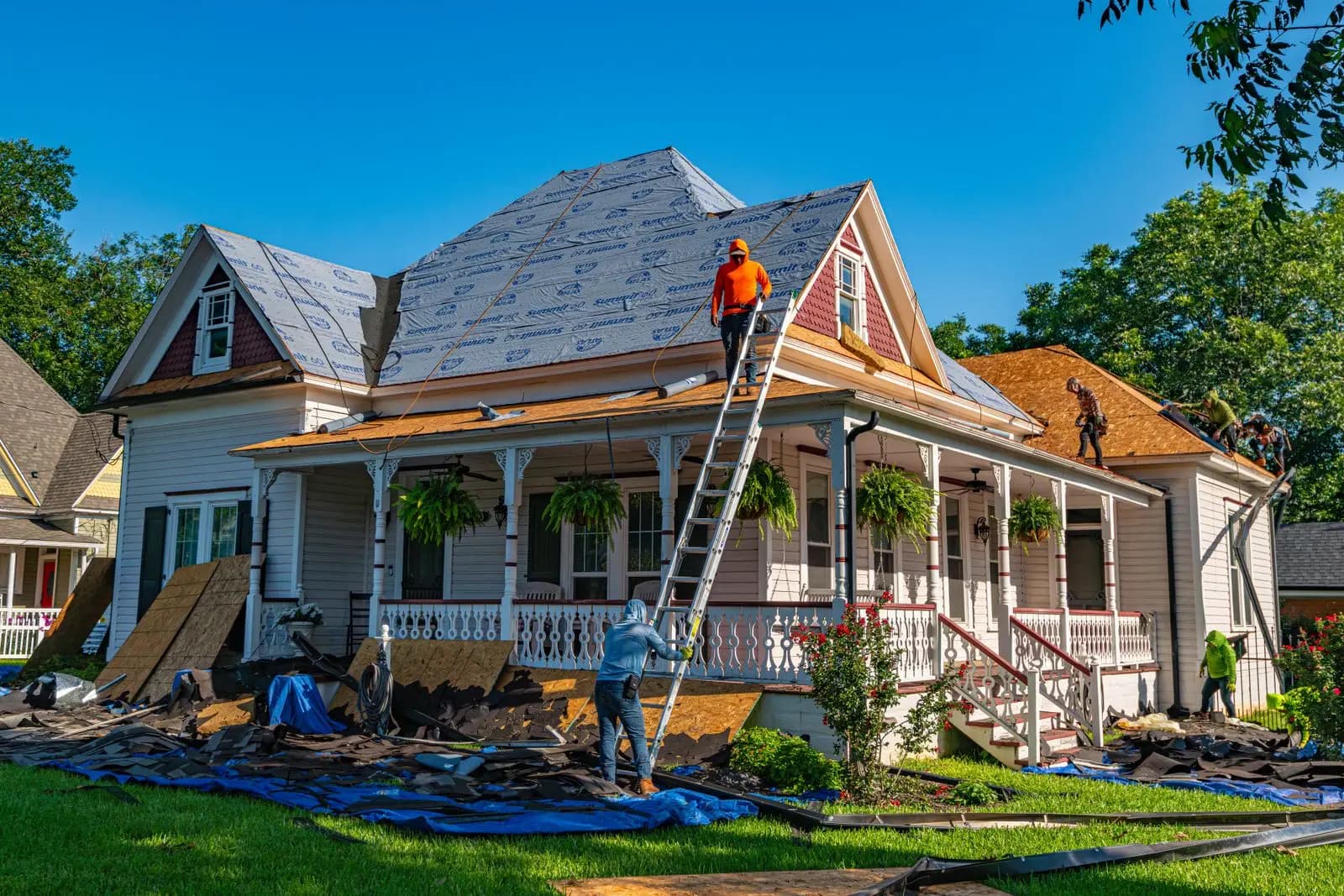
Roof Replacement
Roof replacement removes the old roofing down to the decking, repairs damaged decking, and installs new underlayment, flashing, ventilation and roofing.
Learn moreRoof leaking or storm-damaged?
Stop the source if you can, then call. We'll connect you with a local roofing contractor that serves your ZIP.
Fast callback on emergency requests