Metal roofing
Metal roofing, most often standing seam or exposed-fastener panels, lasts longer than typical asphalt shingles and sheds snow and rain well. It costs more upfront, and installation quality matters a lot.
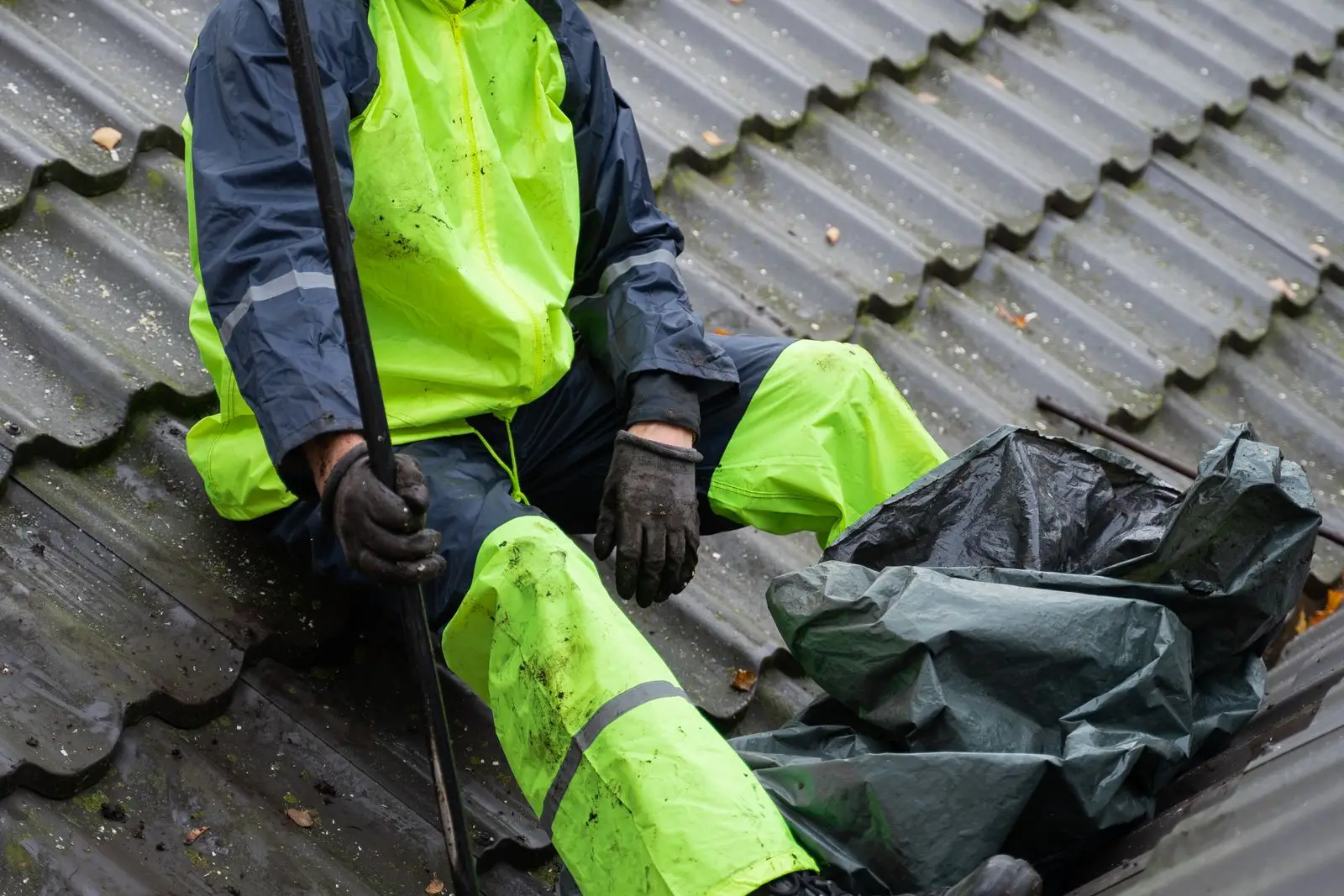
- Fast callback on emergency requests
- Independent local roofers that serve your ZIP
- Photos and a written report for your insurer
- Free to call; the roofer quotes before work starts
Standing seam systems hide their fasteners and allow the panels to expand and contract, while exposed-fastener panels are cheaper but need the screws and washers checked over time. Both perform well in high-wind and heavy-snow areas when installed to the manufacturer's specs.
Metal reflects more heat than dark shingles, which helps in hot climates. It can be louder in rain without solid decking and underlayment. Compare it against roof replacement with shingles for your budget.
The biggest risk with metal isn't the material, it's the installer. Panels must be cut, seamed and flashed to the manufacturer's details, and penetrations like chimneys and vents need purpose-built boots, not improvised fixes. Ask for photos of past metal work, not just shingle work.
Metal Roofing at a glance
- What it is
- Metal roofing, most often standing seam or exposed-fastener panels, lasts longer than typical asphalt shingles and sheds snow and rain well.
- Urgency
- Soon. Start within a day or two.
- Typical steps
- Choose a system → Prepare the deck → Install panels and trim → Seal penetrations → Final check
- Who does it
- An independent, local roofing contractor
Signs
When you need metal roofing
- You want a roof that lasts longer than shingles
- You're in a heavy-snow, high-wind or wildfire-prone area
- An existing metal roof has loose screws, rust or leaking seams
- Your insurance discounts impact-rated or non-combustible roofs
- You plan to stay in the home long enough to recover the cost
- Your asphalt roof is failing early from heat or weather
- You want a roof that sheds snow instead of holding it
- Fastener washers on an exposed-fastener roof are drying out
Process
What the crew does
- 1
Choose a system
Panel type, gauge, color and finish are selected.
- 2
Prepare the deck
Decking is repaired and underlayment installed.
- 3
Install panels and trim
Panels, flashing, ridge and trim are installed to spec.
- 4
Seal penetrations
Vents, chimneys and skylights get metal-specific boots and flashing.
- 5
Final check
Fasteners, seams and penetrations are inspected.
Cost
What affects the price
Every job is scoped on site. These are the factors that move the number.
- Standing seam versus exposed-fastener panels
- Metal type, gauge and finish
- Roof complexity and penetrations
- Tear-off of existing roofing
- Custom trim and flashing fabrication
- Crew experience with metal, which is a specialty
- Paint finish and color, with premium colors costing more
Before the crew arrives
What you can do, and when to stop
Safe to do
- Keep gutters clear
- Watch for rust spots and loose screws from the ground
- Check exposed-fastener washers annually if you can see them safely
- Keep branches off the panels
- Note any new leaks after storms
Stop and call if
- Walking on metal panels, which are slippery and can dent
- Tightening fasteners yourself, which can strip or over-compress washers
- Painting over rust without proper prep
- Caulking seams instead of repairing them
FAQ
Metal Roofing questions
How long does a metal roof last?
Well-installed metal roofs commonly last several decades, often well beyond typical asphalt shingles.
Is a metal roof noisy in the rain?
Over solid decking with underlayment and attic insulation, rain noise is usually similar to other roofs. It's louder over open framing.
Standing seam vs. exposed fastener: what's the real difference?
Standing seam hides fasteners in raised seams, so nothing penetrates the panel surface and expansion is free. Exposed-fastener panels cost less but every screw is a potential leak point as washers age.
Can a metal roof go over my existing shingles?
Sometimes, with proper underlayment and battens, but a tear-off is cleaner and lets the crew check the decking. Local code decides what's allowed.
Will a metal roof attract lightning?
No. Metal doesn't attract lightning, and it's non-combustible, so it's actually safer in a strike than wood or some other materials.
Does a metal roof help with energy bills?
Reflective finishes bounce more solar heat than dark shingles, which can cut cooling costs in hot climates. The color and finish matter more than the metal itself.
How do you repair a metal roof?
Loose fasteners are reset, failed washers replaced, and damaged panels or trim sections swapped. Seam and flashing repairs use metal-compatible sealants, not roofing tar.
What gauge metal should I get?
Residential standing seam is commonly 24 or 26 gauge; lower numbers are thicker. Thicker panels resist denting and oil-canning better but cost more.
Will the color fade over time?
Quality factory finishes with strong warranties resist fading for decades. Cheaper paint systems chalk and fade sooner, especially in intense sun.
Metal Roofing by state
Metal Roofing in popular cities
Related
Related services
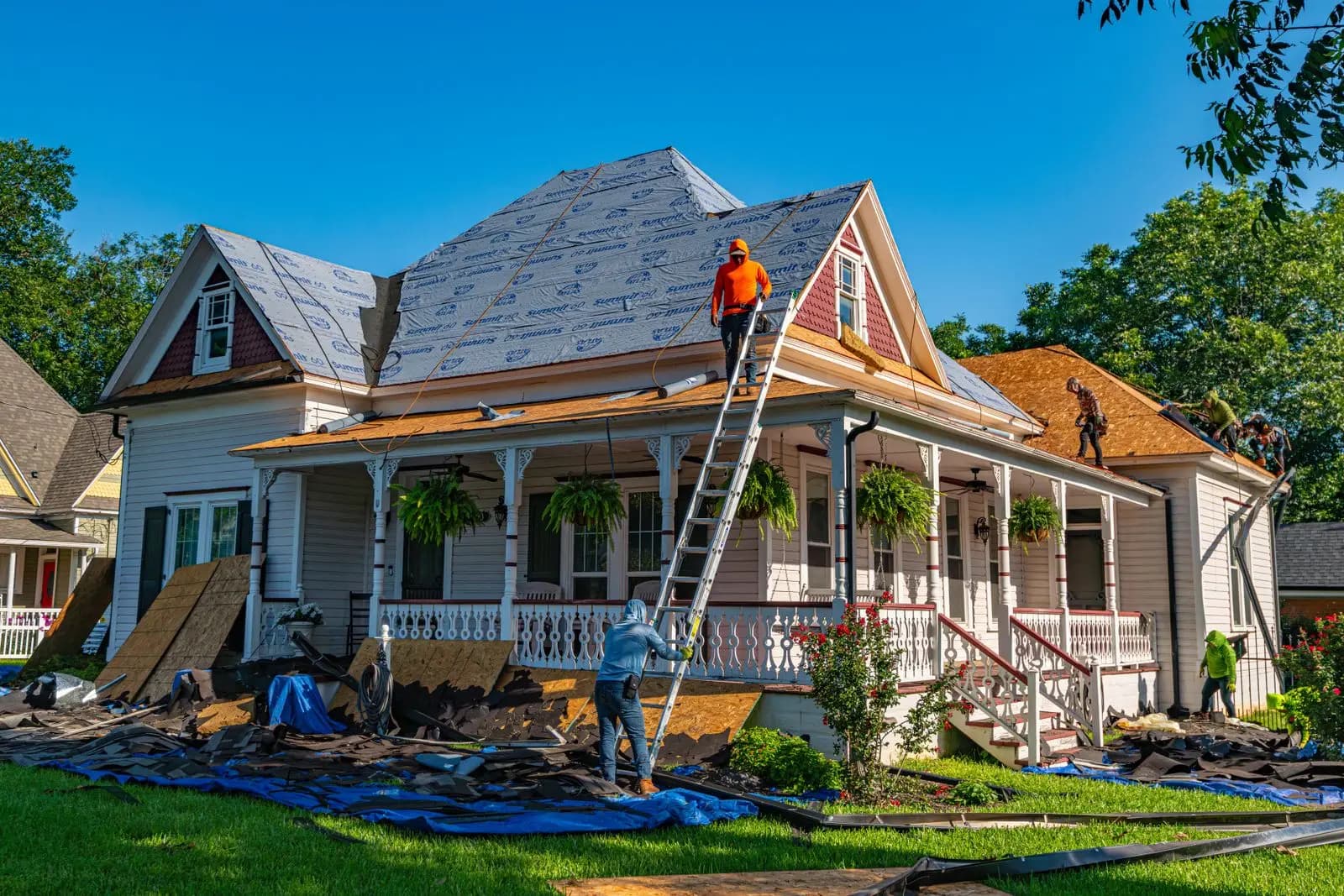
Roof Replacement
Roof replacement removes the old roofing down to the decking, repairs damaged decking, and installs new underlayment, flashing, ventilation and roofing.
Learn more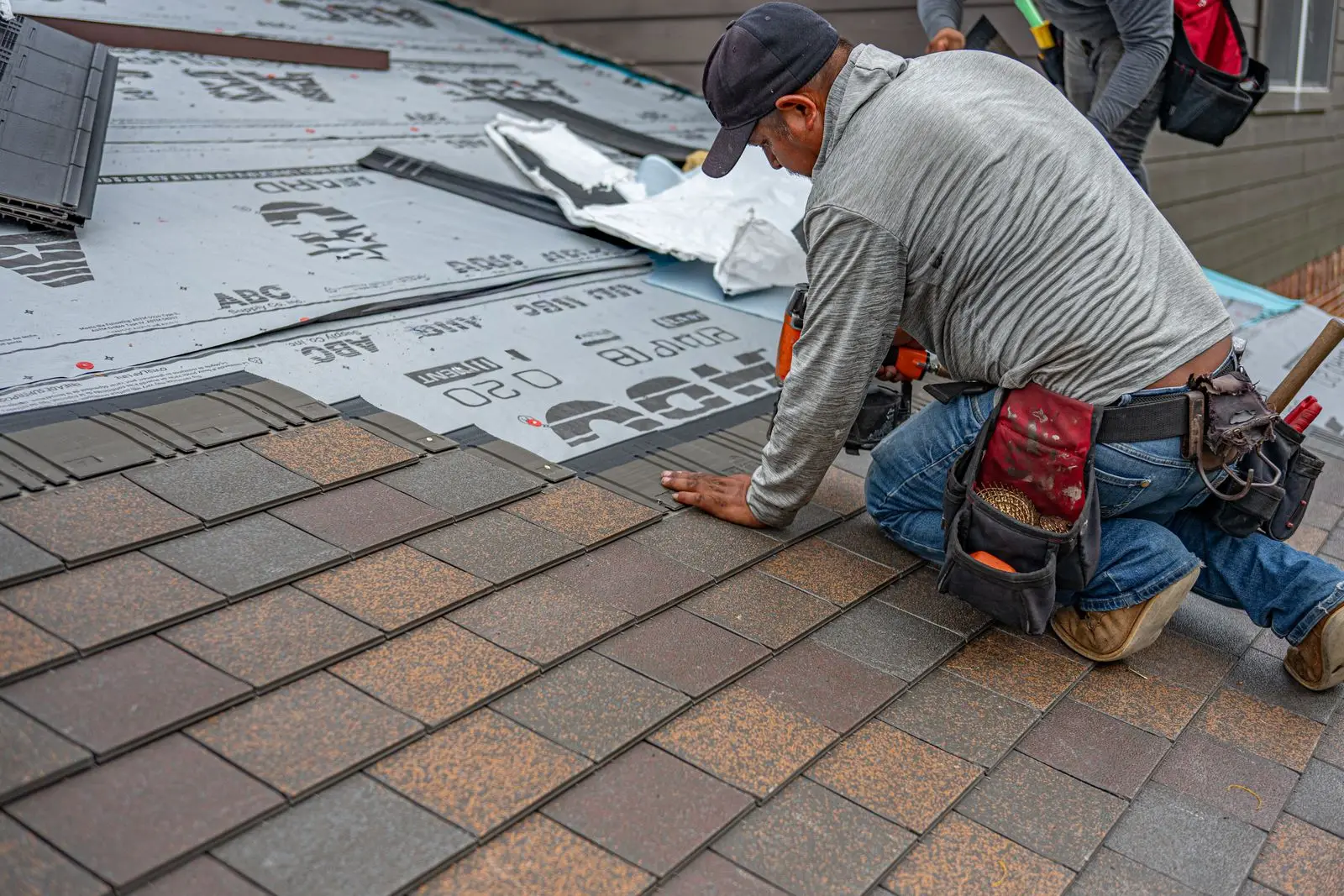
Roof Inspection
A roof inspection checks the shingles or other covering, flashing, vents, gutters, attic ventilation and signs of leaks, then tells you what needs attention now and what can wait.
Learn more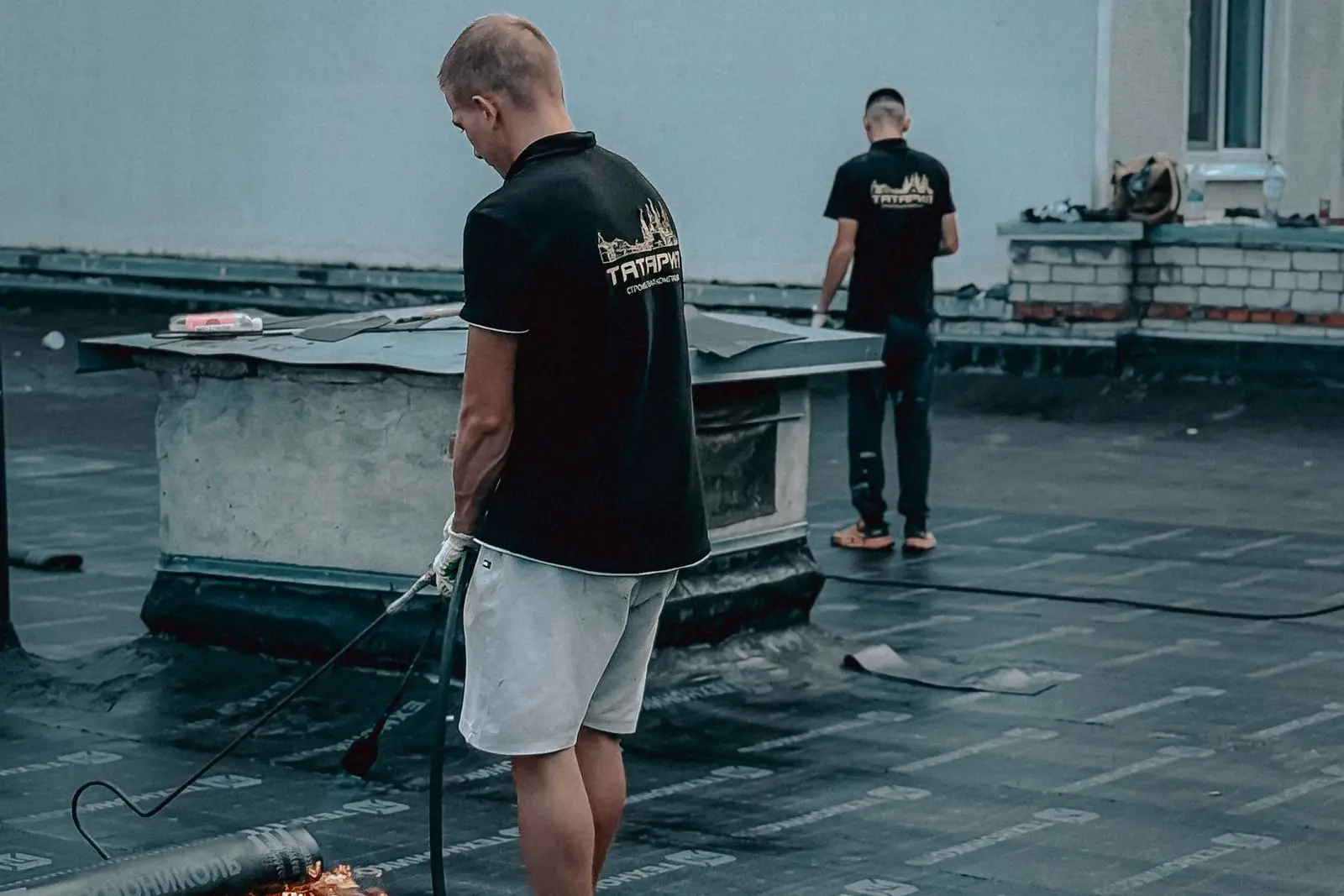
Flat Roof Repair
Flat and low-slope roofs use membranes, such as TPO, EPDM or modified bitumen, instead of shingles.
Learn moreGuides
Read next
Roof leaking or storm-damaged?
Stop the source if you can, then call. We'll connect you with a local roofing contractor that serves your ZIP.
Fast callback on emergency requests