Short answer
For a typical US single-family home, a full replacement with asphalt shingles most often lands somewhere between about $8,000 and $20,000, with metal, tile and slate costing considerably more. Those are national ranges, not a quote — your price depends on the size and shape of your roof, the material, and labor costs where you live.
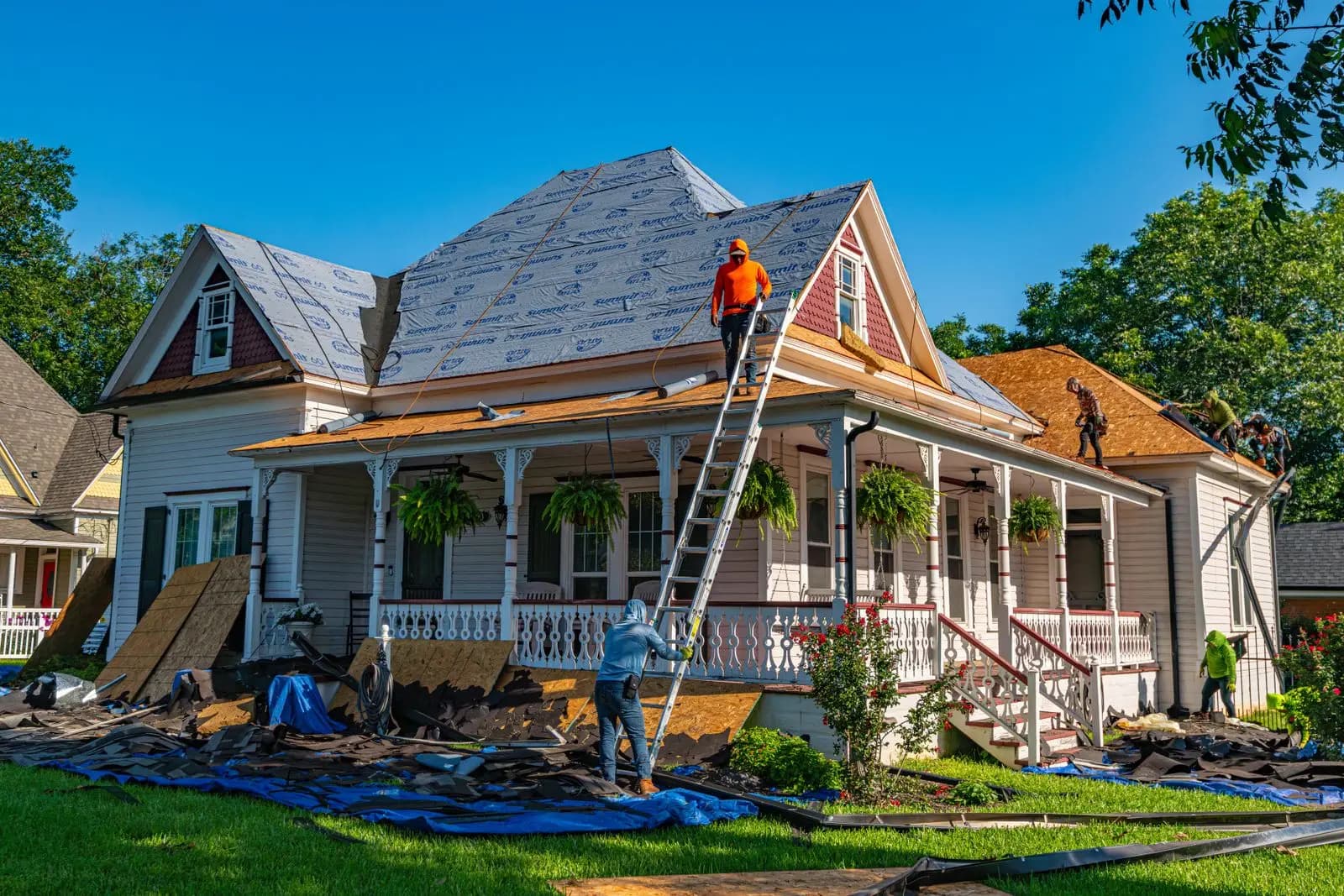
Typical ranges by material
The ranges below are for a typical single-family roof of roughly 1,700 to 2,000 square feet of roof surface, fully installed, including tearing off the old roof. They reflect broad national pricing reported across the US — the same roof can price thousands of dollars apart between a low-cost rural market and an expensive metro, and between a simple ranch roof and a steep, cut-up one.
- Asphalt shingles (architectural): roughly $8,000–$20,000
- Wood shakes or shingles: roughly $14,000–$30,000
- Metal roofing (panels or standing seam): roughly $16,000–$45,000
- Clay or concrete tile: roughly $20,000–$55,000
- Slate: roughly $25,000–$75,000, sometimes more
First, a note on what these numbers are — and are not
These are planning ranges to help you budget and judge whether a quote is in a reasonable neighborhood. They are not a local price, not a quote for your house, and not a price any specific contractor has agreed to charge. No honest roofer can give you an exact number without measuring your roof, counting its layers and looking at its condition — and you should be suspicious of anyone who quotes a firm full-replacement price sight unseen.
Why roofers talk in squares
Roofing is measured in squares — one square equals 100 square feet of roof surface. Roof surface is not the same as your home's floor area: pitch makes the roof bigger than the footprint below it, and overhangs add more. A 1,700-square-foot house with a moderately pitched roof might carry 1,900 to 2,200 square feet of roofing, or 19 to 22 squares. Quotes multiply the square count by a per-square rate for the material, which is why two homes with identical floor plans but different roof pitches get different prices.
What pushes the price up
Beyond material and size, these are the factors that move a quote most:
- Steep pitch and multiple stories — safety equipment and slower work cost more
- Complexity: valleys, dormers, skylights and chimneys all add flashing labor
- Tear-off layers — removing two old layers costs more than one, and disposal is charged by weight
- Decking repairs — rotted or damaged boards are replaced per sheet once the old roof is off
- Your region — labor rates and permit costs vary widely across the country
What a full quote should include
A complete replacement price normally covers more than the visible roofing material. When you compare quotes, check that each one includes:
- Tear-off of the old roof and disposal
- Underlayment, plus ice-and-water shield at the eaves and valleys where your climate calls for it
- New flashing at chimneys, vents and walls — not the old flashing reused
- Ventilation work if the attic needs it
- Permit fees, cleanup and a magnet sweep for nails
- Both warranties in writing: the manufacturer's material warranty and the contractor's workmanship warranty
Costs that can catch you by surprise
The most common surprise is decking. Nobody can see the wood under your shingles until the tear-off, so most contracts price decking replacement per sheet as an add-on. Other extras to ask about upfront: replacing gutters damaged during the job, structural reinforcement if you are switching to heavy tile, and ventilation upgrades your attic needs to keep the new roof's warranty valid. Ask for the per-sheet decking price in writing before work starts so the surprise, if it comes, is a known number.
Repair or replace: the cost question underneath
A repair is always cheaper today — often a small fraction of a replacement. The real question is how much life the repair buys. On a roof with a decade left, repairing one leak is money well spent; on a 24-year-old roof, repeated repairs are money that does not come back when the replacement happens anyway. Our guide to repair or replacement works through that decision, and a roof inspection gives you the remaining-life estimate the decision depends on.
Comparing quotes and keeping costs sane
Get two or three written quotes covering the same scope and compare them line by line — a much cheaper bid usually leaves something out, such as flashing replacement or ventilation. Material choice is the biggest lever you control: architectural asphalt shingles are the lowest-cost durable option for most homes, while metal costs more upfront and returns it in lifespan. Scheduling in a contractor's slower season sometimes helps, though storm regions are busy year-round. Our guide to choosing a roofing contractor covers estimates, deposits and red flags in detail, and the roof replacement page explains the full process.
Questions
How much does a new roof cost for a 2,000-square-foot house?
Roof surface is larger than floor area once pitch and overhangs are counted, so a 2,000-square-foot home often carries 2,200 or more square feet of roof. In asphalt shingles, that commonly prices in the $10,000–$24,000 range nationally; metal and tile run higher. Your quotes will narrow it once the roof is measured.
Will insurance pay for my new roof?
Only when the replacement is needed because of a covered event such as hail, wind or a fallen tree — and only up to the policy terms, minus your deductible. A roof that is simply old or worn out is a maintenance cost, not a claim. Our insurance claim guide explains how roof claims work.
Why did my quotes differ by thousands of dollars?
Usually scope, not greed. One bid may include new flashing, better underlayment, ventilation work and a workmanship warranty while another quietly reuses old flashing and skips ventilation. Compare the line items, not just the totals.
How long does a roof replacement take?
Most single-family replacements take one to three days of on-roof work once scheduled, depending on size, pitch, complexity and weather. Large, steep or tile and slate roofs take longer.
Can I save money by shingling over the old roof?
A second layer avoids tear-off cost, and many codes allow one overlay. But an overlay hides decking damage, adds weight, often shortens the new roof's life and can complicate warranties. Most roofers recommend a tear-off; ask yours to price both and explain the trade-off for your roof.
This guide is general information, not professional, legal or insurance advice. Follow your insurer's instructions and local codes, and put safety first.