Emergency service
Emergency roof tarping
Emergency tarping covers damaged or open areas of a roof with a heavy tarp fastened over the ridge and secured with boards, so rain stays out until permanent repairs are done. It's the first step after storm damage or a fallen tree.
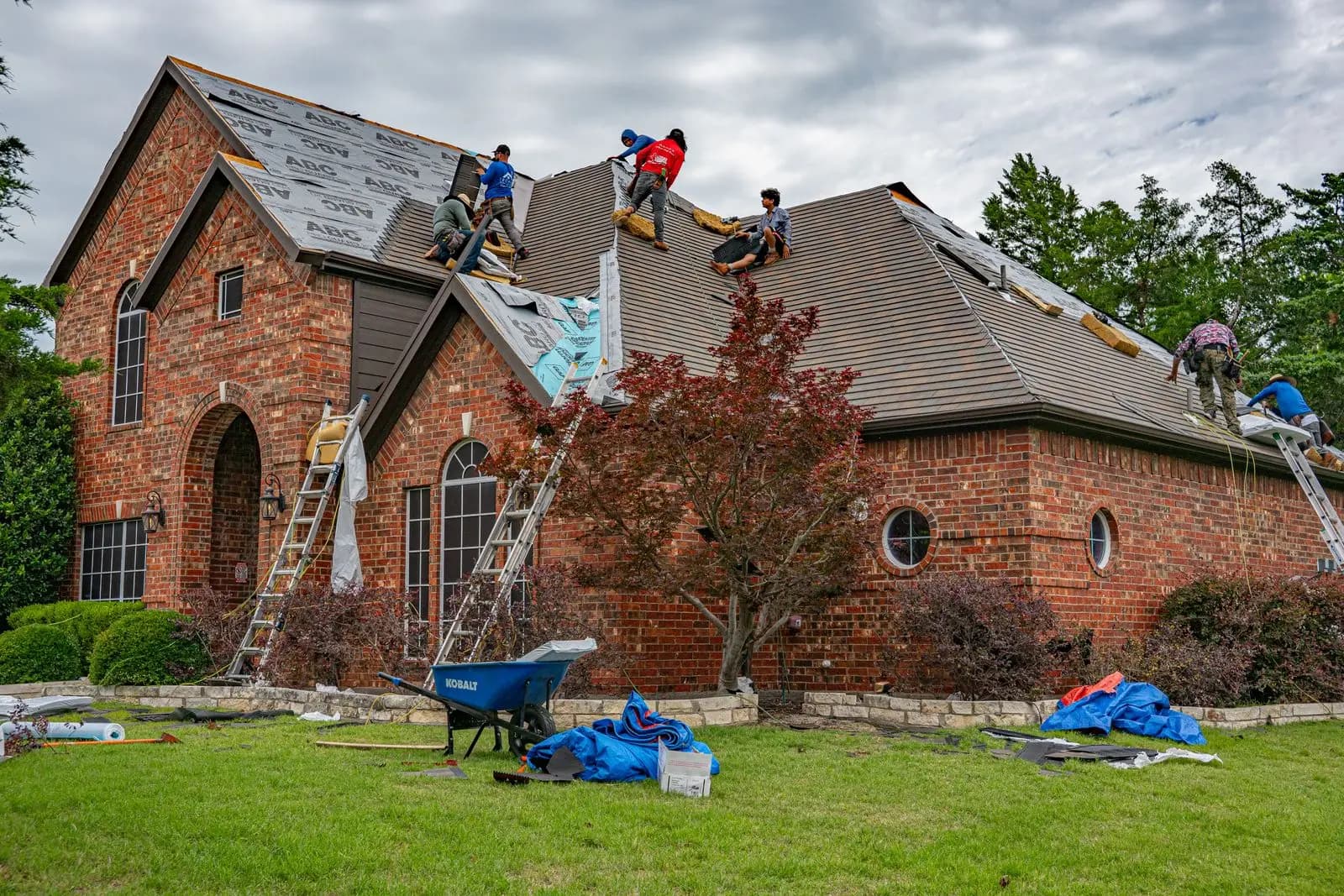
- Fast callback on emergency requests
- Independent local roofers that serve your ZIP
- Photos and a written report for your insurer
- Free to call; the roofer quotes before work starts
A proper tarp is sized well past the damage, wrapped over the ridge so water can't run underneath, and held with battens screwed through the tarp, not just weighted with bricks. Poorly installed tarps blow off and can pull more shingles with them.
Most insurers expect you to prevent further damage after a loss, and reasonable tarping costs are often part of a covered claim. Keep the invoice and photos. Next step: storm damage roof repair.
Emergency Roof Tarping at a glance
- What it is
- Emergency tarping covers damaged or open areas of a roof with a heavy tarp fastened over the ridge and secured with boards, so rain stays out until permanent repairs are done.
- Urgency
- Same day. Damage grows by the hour.
- Typical steps
- Assess safety → Clear debris → Install the tarp → Plan repairs
- Who does it
- An independent, local roofing contractor
Signs
When you need emergency roof tarping
- An open hole or missing section of roof
- A tree or limb that punctured the roof
- Active leaks with more rain on the way
- Wind-stripped shingles over a large area
Process
What the crew does
- 1
Assess safety
The roofer checks whether it's safe to get on the roof, especially with trees or power lines involved.
- 2
Clear debris
Loose debris is removed so the tarp lies flat.
- 3
Install the tarp
A heavy tarp is run over the ridge and fastened with battens along its edges.
- 4
Plan repairs
Damage is documented for the insurer and permanent repairs are scheduled.
Cost
What affects the price
Every job is scoped on site. These are the factors that move the number.
- Size of the area to cover
- Roof pitch and height
- Debris or tree removal needed first
- After-hours or storm-surge demand
Before the crew arrives
What you can do, and when to stop
Safe to do
- Place buckets and towels under leaks inside
- Photograph the damage from the ground
- Move valuables away from wet areas
Stop and call if
- Don't climb onto a wet, steep or damaged roof
- Stay away from any tree touching power lines
FAQ
Emergency Roof Tarping questions
How long can a roof tarp stay on?
A well-installed tarp can protect a roof for weeks or a few months, but sun and wind wear it down. Schedule permanent repairs as soon as possible.
Does insurance pay for emergency tarping?
Often, when the underlying damage is covered, because policies expect you to prevent further damage. Keep the invoice and photos.
Available in 51 states
Related
Related services
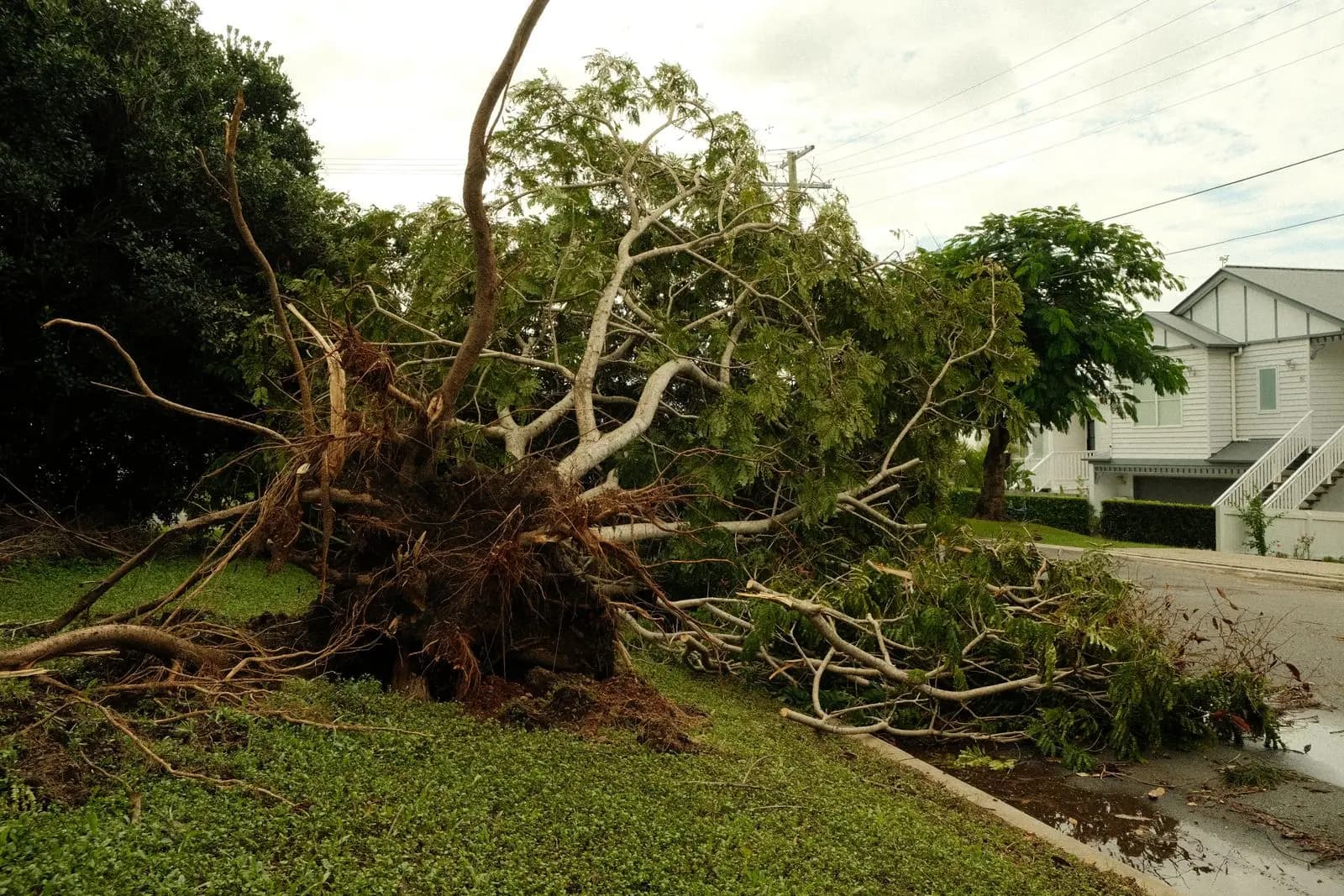
Storm Damage Roof Repair
Storm damage repair starts with stopping water: tarping any openings, then documenting the damage and repairing or replacing what the wind, debris or falling limbs broke.
Learn more
Roof Leak Repair
Roof leak repair means tracing water back to where it actually enters, usually flashing, a vent boot, a damaged shingle or a valley, and sealing or replacing that part.
Learn more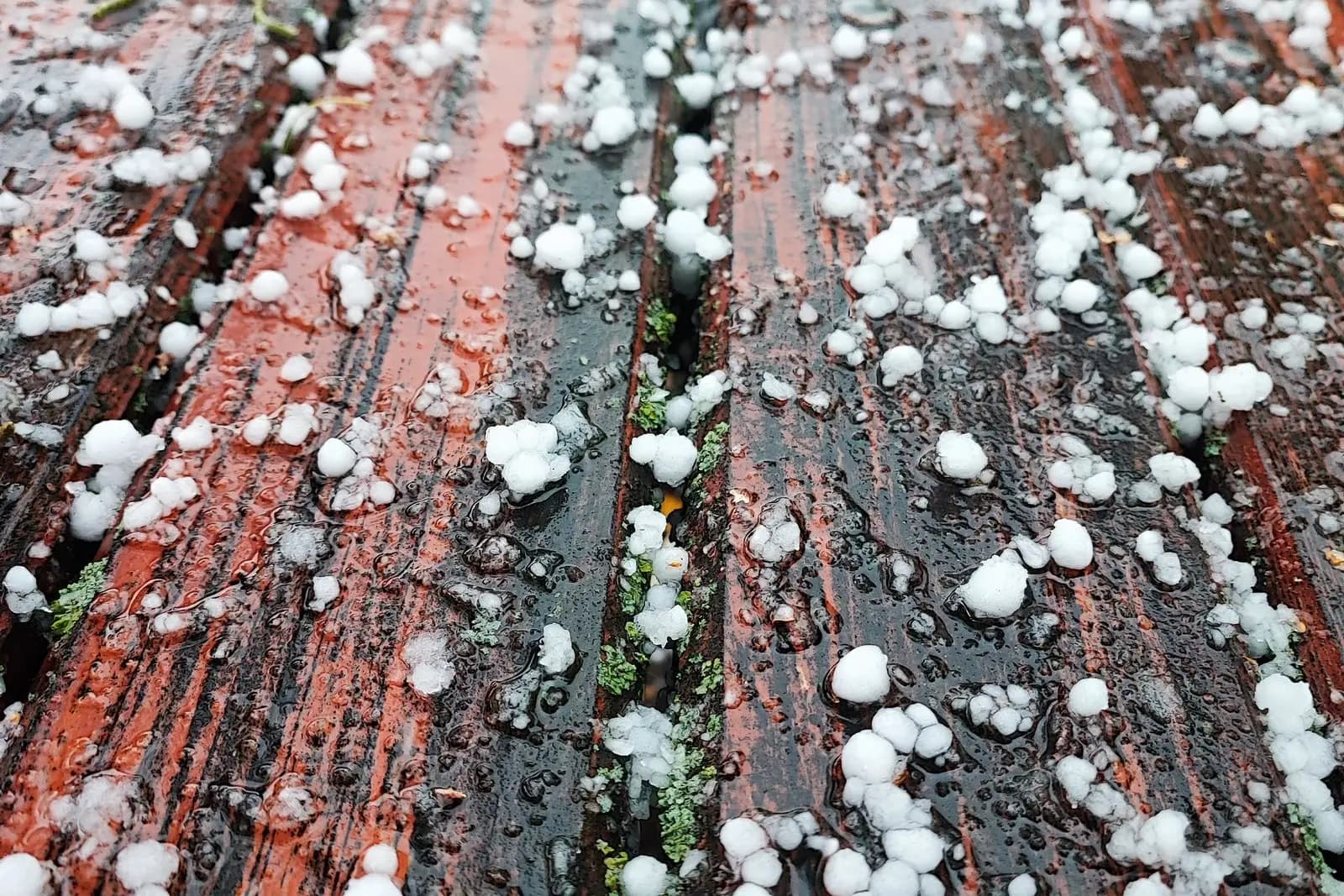
Hail Damage Roof Repair
Hail damage shows up as bruises or dents in shingles, loose granules, cracked vents and dented metal.
Learn moreGuides
Read next
Roof leaking or storm-damaged?
Stop the source if you can, then call. We'll connect you with a local roofing contractor that serves your ZIP.
Fast callback on emergency requests