Emergency service
Storm damage roof repair
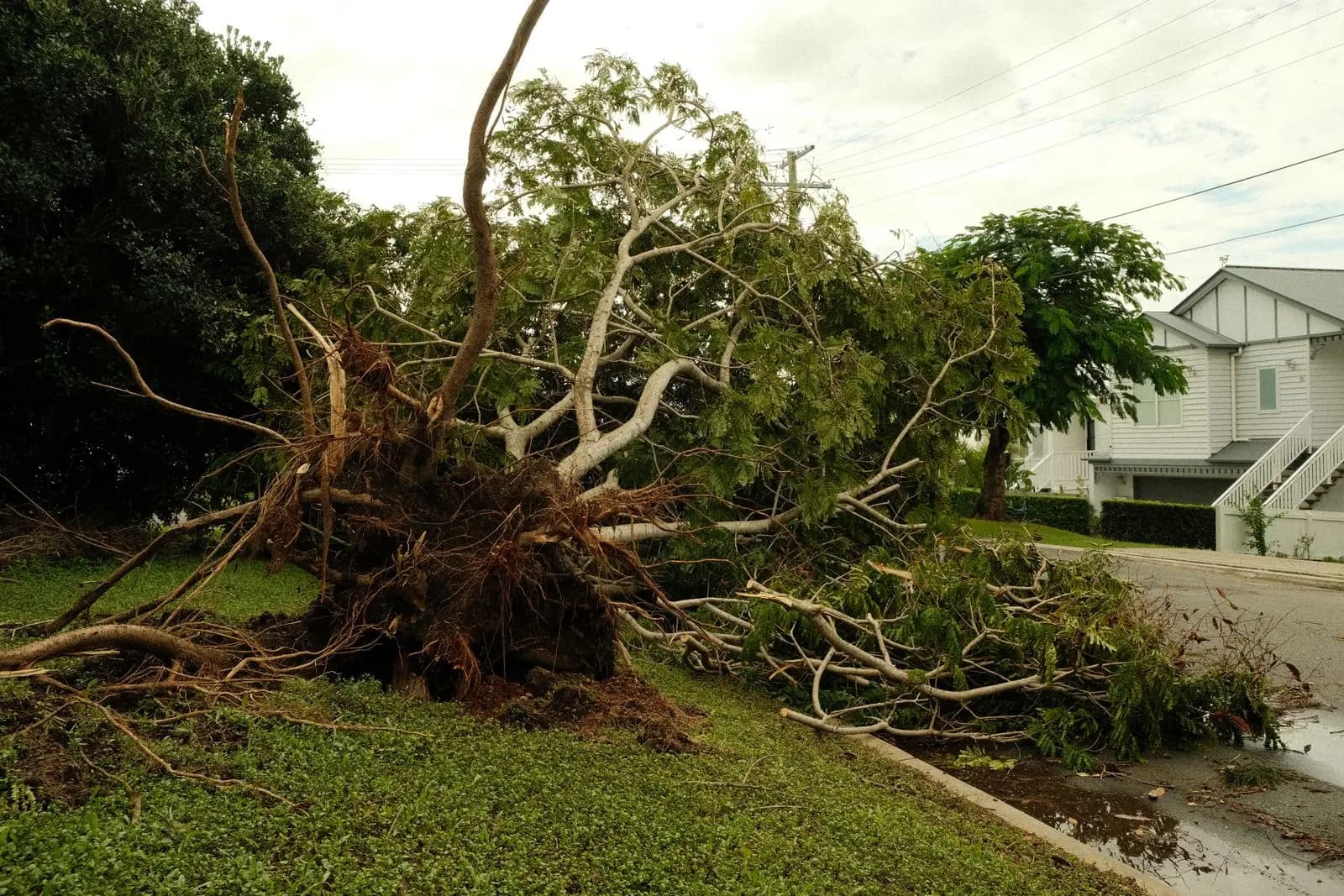
Storm damage repair starts with stopping water: tarping any openings, then documenting the damage and repairing or replacing what the wind, debris or falling limbs broke. Wind damage often shows up as missing, creased or lifted shingles.
- Fast callback on emergency requests
- Independent local roofers that serve your ZIP
- Photos and a written report for your insurer
- Free to call; the roofer quotes before work starts
Strong wind gets under shingle edges and breaks the seal strip, leaving shingles creased, lifted or gone. Flying debris and falling limbs puncture the roof. Even shingles that look fine from the ground can have broken seals that leak in the next storm.
After a regional storm, contractors get busy fast and storm-chasing crews arrive from out of state. Work with a licensed local contractor, get written estimates, and don't sign an assignment of benefits you don't understand. See filing a roof insurance claim.
Timing matters twice: first to stop water with emergency tarping, and second with your insurer, because most policies require prompt notice and set deadlines. Document everything with date-stamped photos before anything is removed or cleaned up, then let the roofer and the adjuster agree on scope before work starts.
Storm Damage Roof Repair at a glance
- What it is
- Storm damage repair starts with stopping water: tarping any openings, then documenting the damage and repairing or replacing what the wind, debris or falling limbs broke.
- Urgency
- Same day. Damage grows by the hour.
- Typical steps
- Secure the roof → Document → Scope and estimate → Adjuster review → Repair or replace → Final check and cleanup
- Who does it
- An independent, local roofing contractor
Signs
When you need storm damage roof repair
- Shingles missing, torn or found in the yard
- Creased or lifted shingle tabs
- A tree or large limb on the roof
- Damaged or missing ridge caps
- New leaks after a windstorm
- Granules washed into gutters and downspouts
- Exposed nail heads where shingles tore away
- Dented or detached gutters and downspouts
- Visible gaps along eaves and rakes after high wind
- Deck or boards visible through the roof surface
Process
What the crew does
- 1
Secure the roof
Openings are tarped or boarded so rain doesn't make the damage worse.
- 2
Document
The roofer photographs damage and measures the affected areas for your insurer.
- 3
Scope and estimate
A written estimate covers repair versus replacement, decking, underlayment and materials.
- 4
Adjuster review
Your insurer's adjuster inspects; many roofers attend to point out damage the adjuster might miss.
- 5
Repair or replace
Damaged sections are rebuilt with matching materials, or the roof is replaced if damage is widespread.
- 6
Final check and cleanup
New work is inspected against the approved scope, and debris and nails are cleaned up with a magnetic sweep.
Before and after
What the result can look like
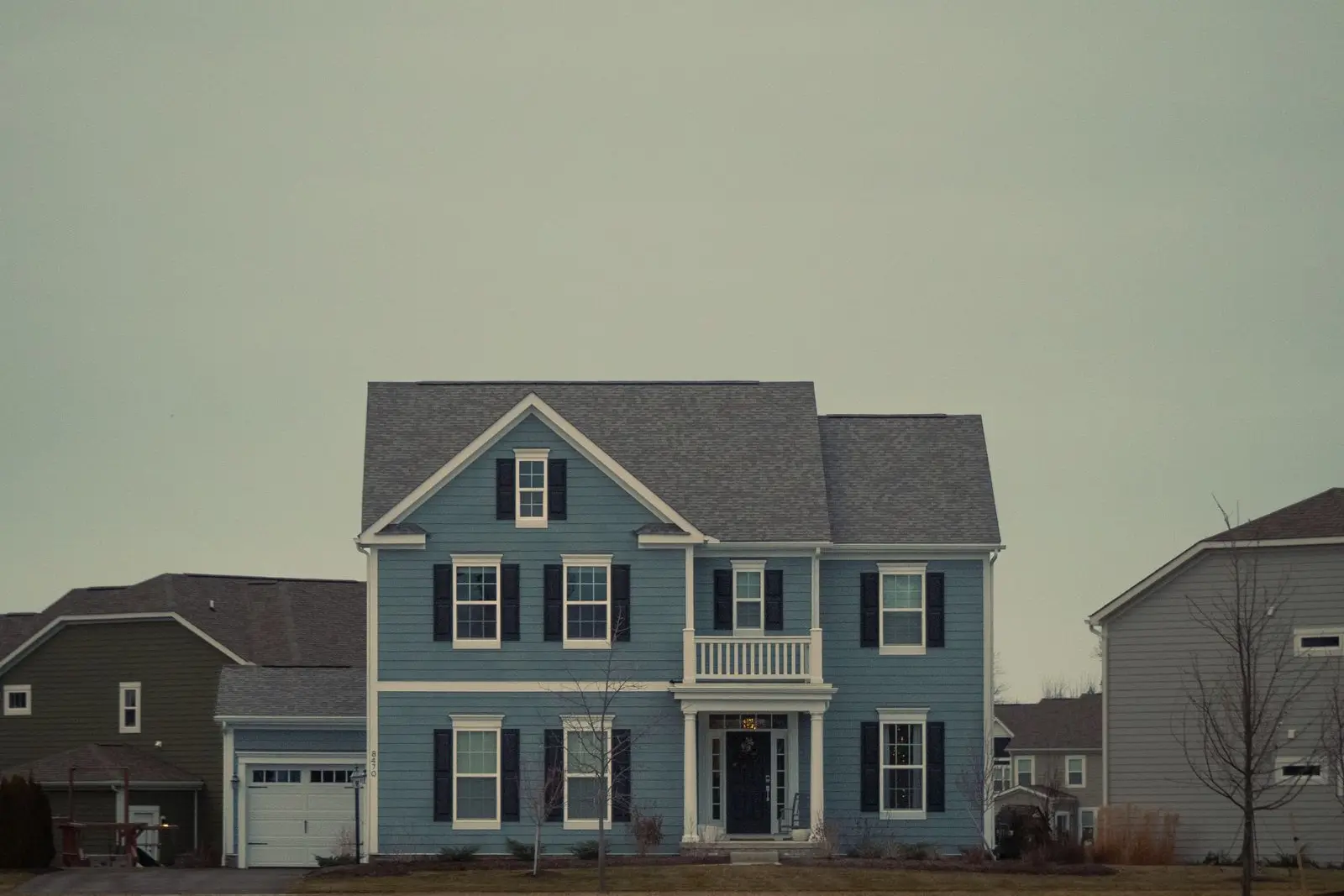
Storm damage
Tree cleared, roof tarped, damage documented for the insurer, then repaired.
Illustrative example using stock photos, not a job by a contractor in our network.
Cost
What affects the price
Every job is scoped on site. These are the factors that move the number.
- Number of squares (100 sq ft areas) damaged
- Whether damaged decking or rafters must be replaced
- Tree removal, usually a separate contractor
- Material matching or discontinued shingles
- Code upgrades your jurisdiction requires on replacement
- Your deductible, especially a percentage wind/hail deductible
- Demand surge pricing in the weeks after a regional storm
Before the crew arrives
What you can do, and when to stop
Safe to do
- Photograph damage from the ground and inside the attic
- Keep shingles and debris that fell; the adjuster may want to see them
- Move belongings away from leaks
- Note the date, time and type of storm for your claim
- Call your insurer to report the loss promptly
Stop and call if
- A tree or limb is on the roof or near power lines
- The roof is wet or you'd need to climb onto it
- Water is coming through the ceiling
- You see structural sagging or daylight through the deck
- A door-to-door contractor pressures you to sign anything on the spot
FAQ
Storm Damage Roof Repair questions
How soon should I report storm damage to my insurer?
As soon as you can. Many policies require prompt notice and set a deadline for filing. Document the damage first and prevent further damage with a tarp.
Should I be wary of door-to-door roofers after a storm?
Be careful. Check that the contractor is licensed where your state requires it, has a local address, carries insurance, and gives a written estimate before you sign anything.
Can my roof be damaged even if no shingles are missing?
Yes. Wind can break the seal strip so shingles are still attached but lifted, which means the next rain gets underneath. Creased tabs are a common form of hidden damage.
Will the insurance company send their own inspector?
Yes, an adjuster inspects before approving payment. Many roofers attend that inspection to point out damage, and you can ask for a second opinion if you disagree with the outcome.
What is an assignment of benefits, and should I sign one?
It's a document that hands your claim rights to the contractor. Some states restrict or ban them. Never sign one under pressure; read it fully and ask questions first.
Do I have to use the contractor my insurer suggests?
No. You choose your contractor. An insurer can recommend one, but it cannot force you to use them.
My neighbors got new roofs but I was told mine is fine. Why?
Damage depends on wind direction, roof age, shingle type and even the slope facing the storm. Two houses on the same street can have very different outcomes.
How long does storm repair take from estimate to done?
The repair itself is often a day or two, but after a regional storm the backlog can add weeks. Material availability and the adjuster's schedule are the usual delays.
Can storm damage be repaired if my shingles are discontinued?
Sometimes with a close match, but discontinued lines often push toward partial-slope or full replacement, which insurers may cover when a true match isn't available.
Storm Damage Roof Repair by state
Storm Damage Roof Repair in popular cities
Related
Related services
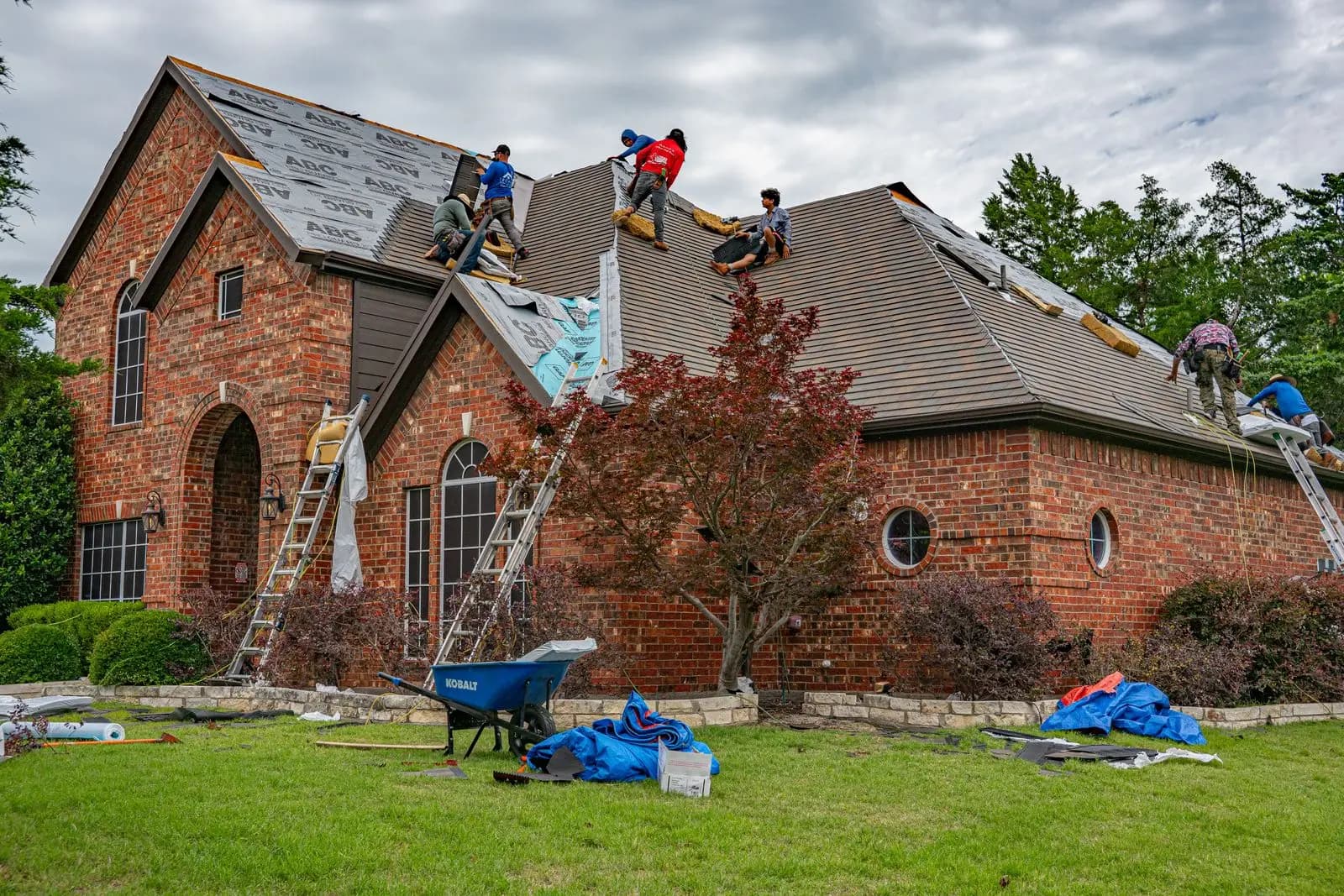
Emergency Roof Tarping
Emergency tarping covers damaged or open areas of a roof with a heavy tarp fastened over the ridge and secured with boards, so rain stays out until permanent repairs are done.
Learn more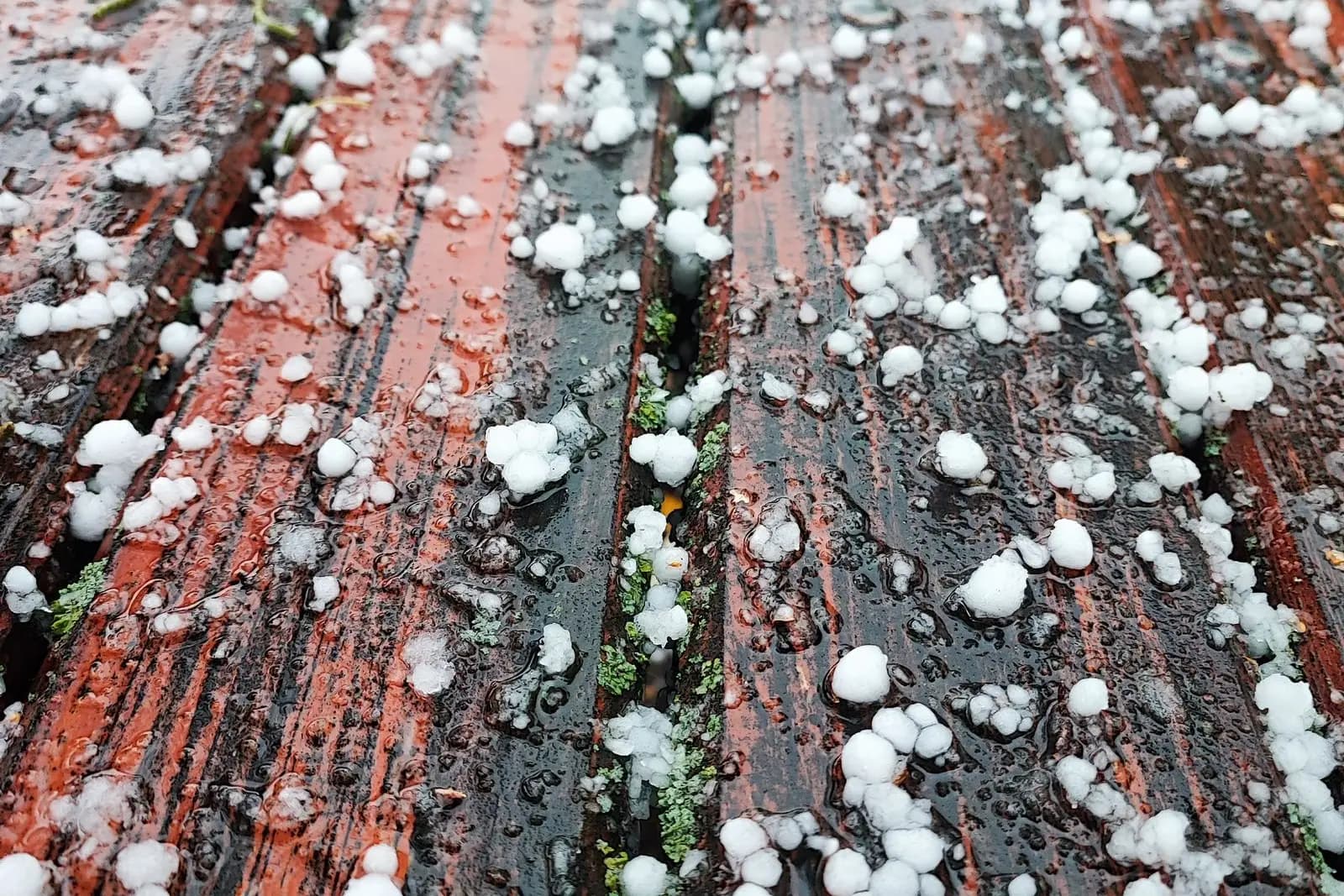
Hail Damage Roof Repair
Hail damage shows up as bruises or dents in shingles, loose granules, cracked vents and dented metal.
Learn more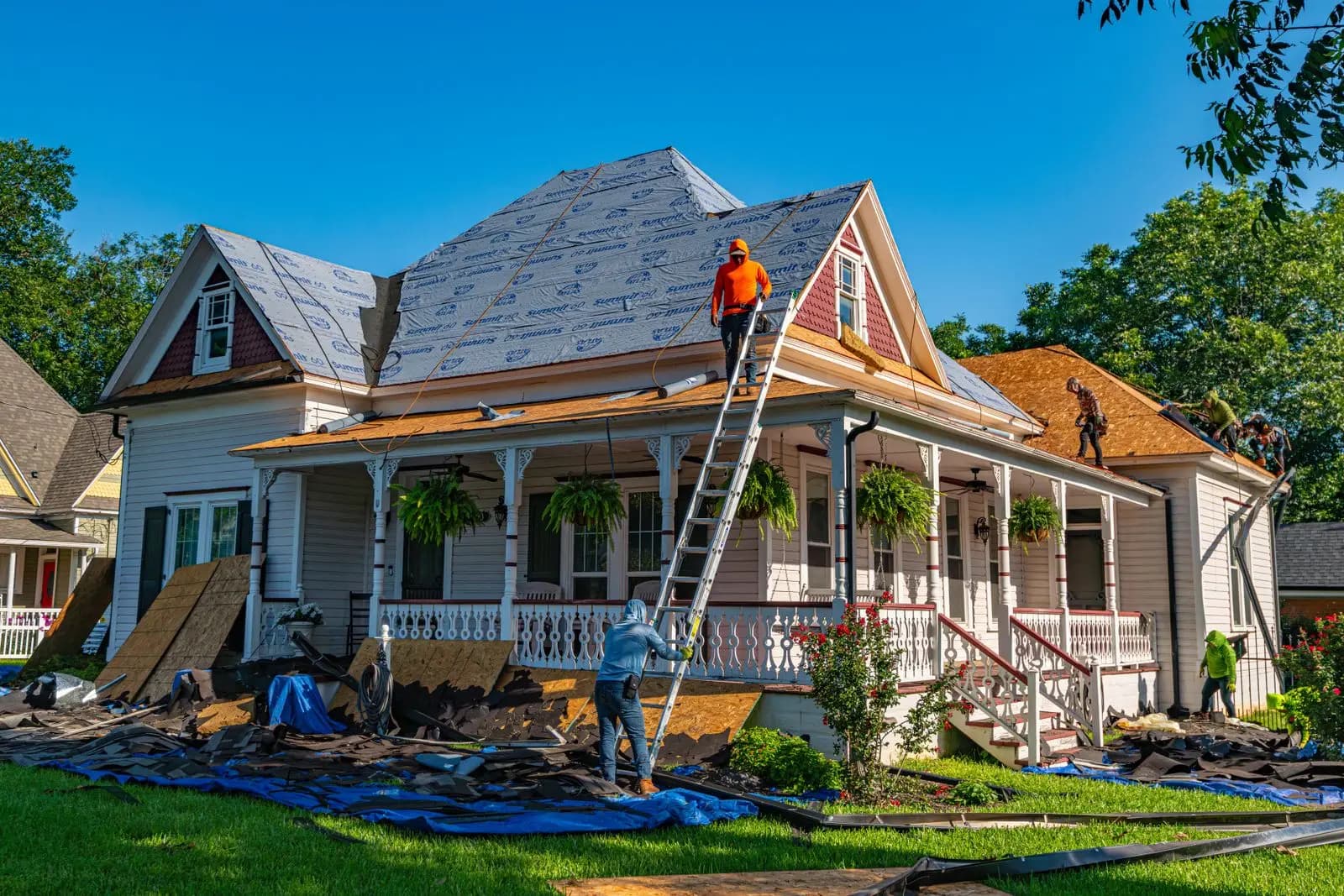
Roof Replacement
Roof replacement removes the old roofing down to the decking, repairs damaged decking, and installs new underlayment, flashing, ventilation and roofing.
Learn moreDeep dives
Storm Damage Roof Repair specialties
One storm damage roof repair job, in full detail: what it covers, when it's the right fix, and when something else is.
Roof leaking or storm-damaged?
Stop the source if you can, then call. We'll connect you with a local roofing contractor that serves your ZIP.
Fast callback on emergency requests