Storm Damage Roof Repair in Maine
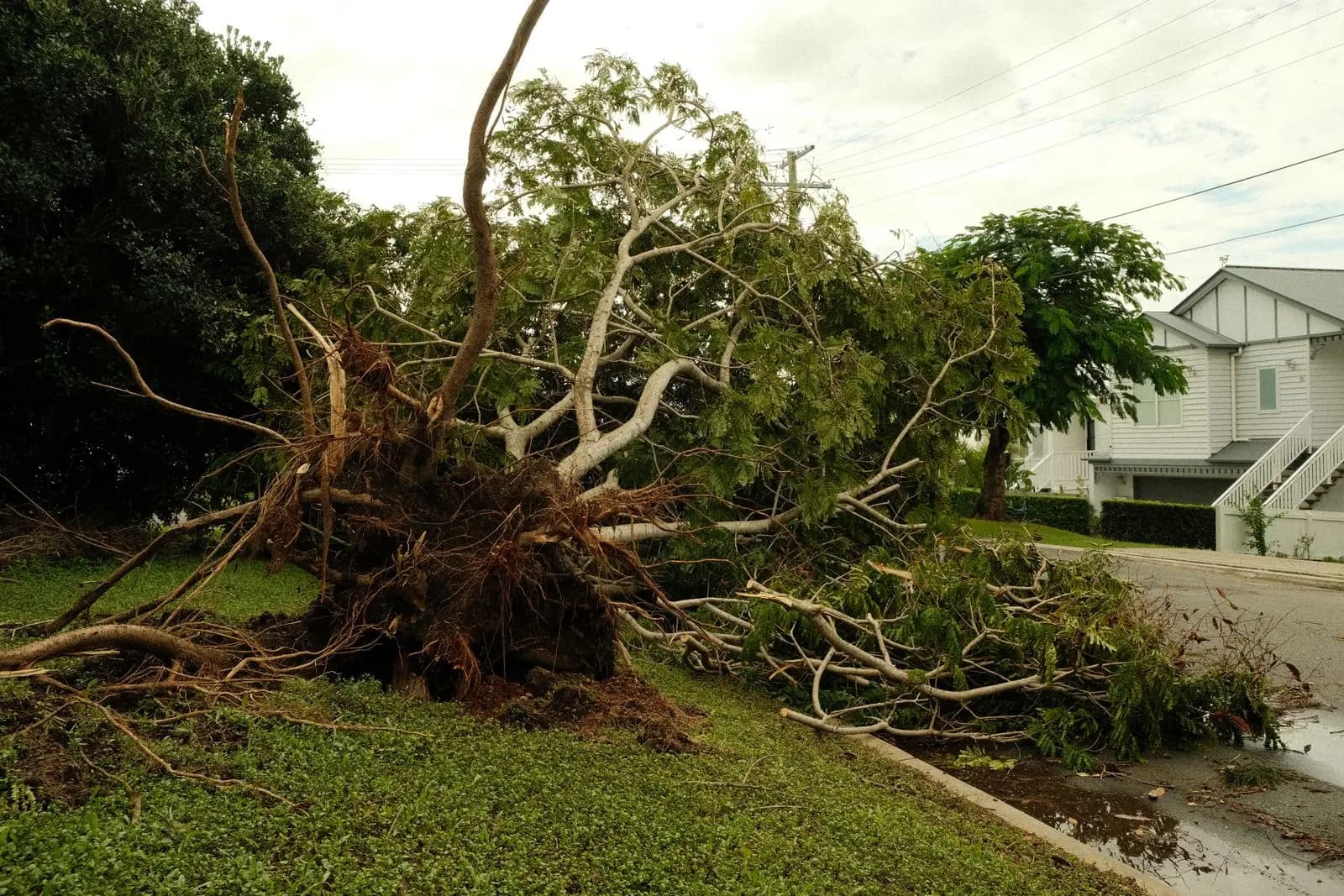
Storm damage repair starts with stopping water: tarping any openings, then documenting the damage and repairing or replacing what the wind, debris or falling limbs broke. In Maine, coastal wind is the condition that most often leads to this work. GableGuard connects you with an independent local roofer that serves your ZIP code.
- Fast callback on emergency requests
- Network covers 150 Maine cities and 165 ZIP codes
- Independent local roofers; they quote before work starts
Maine conditions
Why Maine roofs need storm damage roof repair
Maine roofs carry heavy snow for months, then go through spring freeze-thaw cycles that open every weak seam. Ice dams at the eaves are the most common source of winter leaks, and coastal homes also take nor'easter wind and salt air. Much of the housing is older, with steep capes and farmhouses that shed snow well but often lack modern attic insulation and ventilation.
Coastal wind
Nor'easters lift shingle edges and damage ridge caps on exposed coastal homes. After high wind, the roofer looks for creased or missing shingles, lifted ridge caps, damaged drip edge and loose flashing, then secures the roof before the next rain.
What's included
How storm damage roof repair works
- 1Secure the roof. Openings are tarped or boarded so rain doesn't make the damage worse.
- 2Document. The roofer photographs damage and measures the affected areas for your insurer.
- 3Scope and estimate. A written estimate covers repair versus replacement, decking, underlayment and materials.
- 4Adjuster review. Your insurer's adjuster inspects; many roofers attend to point out damage the adjuster might miss.
- 5Repair or replace. Damaged sections are rebuilt with matching materials, or the roof is replaced if damage is widespread.
- 6Final check and cleanup. New work is inspected against the approved scope, and debris and nails are cleaned up with a magnetic sweep.
Full storm damage roof repair guide: signs, process and what you can do safely
Warning signs
Signs you need storm damage roof repair in Maine
The local conditions behind most storm damage roof repair calls in Maine are: coastal wind. Check for these first:
- Damaged or missing ridge caps
- Visible gaps along eaves and rakes after high wind
- Creased or lifted shingle tabs
- New leaks after a windstorm
All 10 warning signs, explained on the storm damage roof repair guide
Before the roofer arrives
What to do first
Safe to do
- Photograph damage from the ground and inside the attic
- Keep shingles and debris that fell; the adjuster may want to see them
- Move belongings away from leaks
Stop and call if
- Water is coming through the ceiling
- You see structural sagging or daylight through the deck
- A tree or limb is on the roof or near power lines
The full do-and-don't checklist on the storm damage roof repair guide
Permits and licensing
Hiring a roofer in Maine
Maine doesn't have a statewide roofing contractor license, though home construction contracts over a set amount must be in writing under state law. Building permits come from the town, often through a code enforcement officer. Ask any roofer for proof of liability and workers' comp insurance.
Cost
What affects the price of storm damage roof repair
Every job is quoted on site by the contractor. In Maine, the conditions behind most storm damage roof repair work are: coastal wind. These are the factors that move the number.
- Number of squares (100 sq ft areas) damaged
- Whether damaged decking or rafters must be replaced
- Tree removal, usually a separate contractor
- Material matching or discontinued shingles
- Code upgrades your jurisdiction requires on replacement
All cost factors, with detail, on the storm damage roof repair guide
FAQ
Storm Damage Roof Repair in Maine: questions
Why do Maine homeowners need storm damage roof repair?
Maine roofs carry heavy snow for months, then go through spring freeze-thaw cycles that open every weak seam. Ice dams at the eaves are the most common source of winter leaks, and coastal homes also take nor'easter wind and salt air. Much of the housing is older, with steep capes and farmhouses that shed snow well but often lack modern attic insulation and ventilation. After high wind, the roofer looks for creased or missing shingles, lifted ridge caps, damaged drip edge and loose flashing, then secures the roof before the next rain.
Who does storm damage roof repair in Maine?
Independent local roofing contractors. GableGuard is a free referral service: we connect you with a contractor in our network that covers your ZIP, across 150 Maine cities and 165 ZIP codes. The contractor inspects and quotes before any work starts.
Do I need a permit or a licensed roofer in Maine?
Maine doesn't have a statewide roofing contractor license, though home construction contracts over a set amount must be in writing under state law. Building permits come from the town, often through a code enforcement officer. Ask any roofer for proof of liability and workers' comp insurance.
When is the best time to replace a roof in Maine?
Late spring through early fall. Shingles need warmth to seal, so cold-weather installs need extra care with hand-sealing and adhesives.
How do I stop ice dams?
Seal air leaks into the attic, add insulation and improve ventilation so the roof deck stays cold. Rake snow from the eaves after big storms.
My neighbors got new roofs but I was told mine is fine. Why?
Damage depends on wind direction, roof age, shingle type and even the slope facing the storm. Two houses on the same street can have very different outcomes.
Maine cities we cover
Other roofing services in Maine
Storm Damage Roof Repair in nearby states
Storm Damage Roof Repair in Maine
Call and we'll connect you with an independent Maine roofing contractor that serves your ZIP code.
Fast callback on emergency requests