Flat roof repair
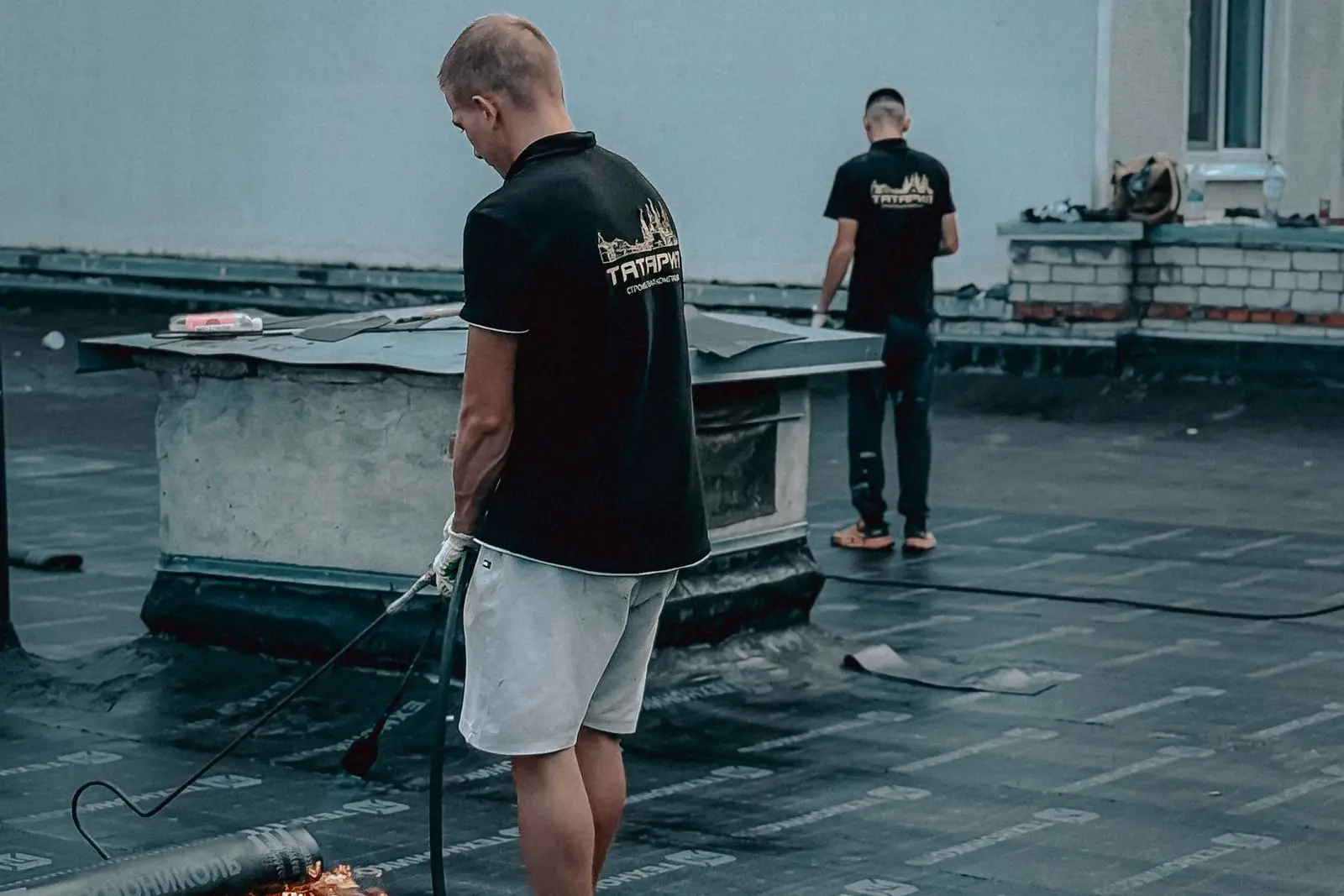
Flat and low-slope roofs use membranes, such as TPO, EPDM or modified bitumen, instead of shingles. Repairs focus on seams, flashing and drainage, because standing water is what shortens their life.
- Fast callback on emergency requests
- Independent local roofers that serve your ZIP
- Photos and a written report for your insurer
- Free to call; the roofer quotes before work starts
Rowhouses, additions, porches, garages and many Southwest homes have low-slope roofs. They leak at seams, around penetrations and where the roof meets a wall. Ponding water, meaning puddles that remain 48 hours after rain, speeds up wear.
Depending on condition, a roofer may patch seams, recoat the surface, add tapered insulation to improve drainage, or replace the membrane. For sloped roofs, see roof repair.
Flat roofs are unforgiving of shortcuts: a bad seam or a clogged drain doesn't show for weeks, then shows as a ceiling stain. Choose a contractor who works on low-slope systems regularly, not a shingle crew doing a one-off flat job. Ask what membrane they'd install and why.
Flat Roof Repair at a glance
- What it is
- Flat and low-slope roofs use membranes, such as TPO, EPDM or modified bitumen, instead of shingles.
- Urgency
- Soon. Start within a day or two.
- Typical steps
- Inspect → Fix drainage → Replace wet insulation → Repair or recover → Flash details
- Who does it
- An independent, local roofing contractor
Signs
When you need flat roof repair
- Puddles that stay for days after rain
- Blisters, cracks or split seams in the membrane
- Leaks near walls, parapets or drains
- Clogged scuppers or drains
- Bubbling or tenting around vents and pipes
- Membrane pulling away from edges or parapets
- Wet, spongy insulation underfoot
- Peeling or flaking roof coating
- Debris piled against drains
- Stains on the ceiling below the flat section
Process
What the crew does
- 1
Inspect
Seams, flashing, drains and wet insulation are checked, sometimes with moisture scans.
- 2
Fix drainage
Drains and scuppers are cleared and slope corrected where needed.
- 3
Replace wet insulation
Saturated insulation is cut out and replaced, since coatings can't fix it.
- 4
Repair or recover
Seams are patched, the surface recoated, or the membrane replaced.
- 5
Flash details
Walls, curbs and penetrations are reflashed.
Cost
What affects the price
Every job is scoped on site. These are the factors that move the number.
- Membrane type and condition
- Wet insulation that must be replaced
- Drainage corrections
- Access, especially for rowhouses
- Whether the membrane can be repaired or needs full replacement
- Parapet and wall flashing scope
- Tapered insulation to fix slope
Before the crew arrives
What you can do, and when to stop
Safe to do
- Clear leaves from drains and scuppers
- Note where water ponds after rain
- Keep rooftop HVAC units' service clear of debris
- Photograph problem areas after storms
- Trim branches that drop heavy debris
Stop and call if
- Cutting or patching membranes
- Walking on a roof you're not sure can support you
- Pouring sealant over blisters
- Drilling into the roof for antennas or equipment
- Blocking scuppers or drains with new landscaping
FAQ
Flat Roof Repair questions
Is some ponding on a flat roof normal?
Small puddles that dry within about two days are common. Water that stays longer points to drainage problems worth fixing.
Can a flat roof be coated instead of replaced?
Sometimes. Coatings can extend the life of a sound membrane but don't fix wet insulation or failed seams.
How long should a flat roof last?
It depends on the membrane and maintenance, but well-kept single-ply and modified bitumen systems commonly serve 15 to 25 years or more.
TPO vs. EPDM vs. modified bitumen: how do I choose?
TPO is heat-welded white membrane common on commercial work; EPDM is a flexible black rubber; modified bitumen is a multi-layer asphalt system. Climate, roof shape and installer experience usually decide.
Can you walk on a flat roof?
Most are walkable for maintenance, but only on the membrane, never on blisters or seams, and walk pads help in high-traffic spots. When in doubt, stay off it.
Why does my flat roof leak only in heavy rain?
Heavy rain overwhelms marginal drainage: water rises over a weak seam or backs up behind a clogged drain. Lighter rain drains before it can get in.
What is tapered insulation?
Insulation boards cut at a slope to create drainage fall on a flat roof, directing water to drains or scuppers. It's the real fix for chronic ponding.
Does a flat roof need special maintenance?
Yes: drains and scuppers cleared at least twice a year, seams and flashing checked annually, and debris removed. Neglected drainage is the number one cause of early failure.
When is full replacement better than repair?
When insulation is wet across large areas, seams are failing everywhere, or the membrane is brittle and cracking. Patching a spent membrane buys months, not years.
Flat Roof Repair by state
Flat Roof Repair in popular cities
Related
Related services

Roof Leak Repair
Roof leak repair means tracing water back to where it actually enters, usually flashing, a vent boot, a damaged shingle or a valley, and sealing or replacing that part.
Learn more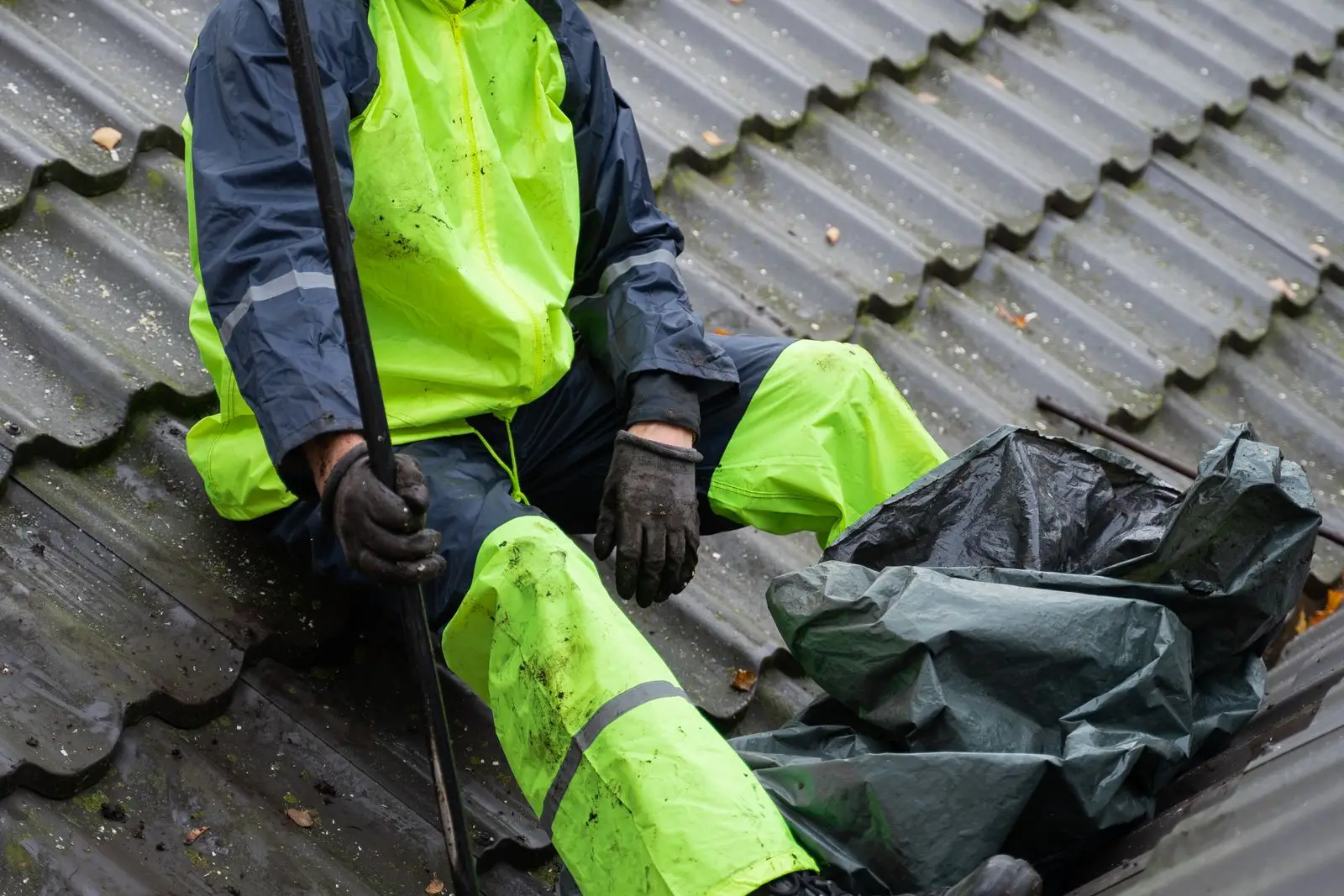
Metal Roofing
Metal roofing, most often standing seam or exposed-fastener panels, lasts longer than typical asphalt shingles and sheds snow and rain well.
Learn more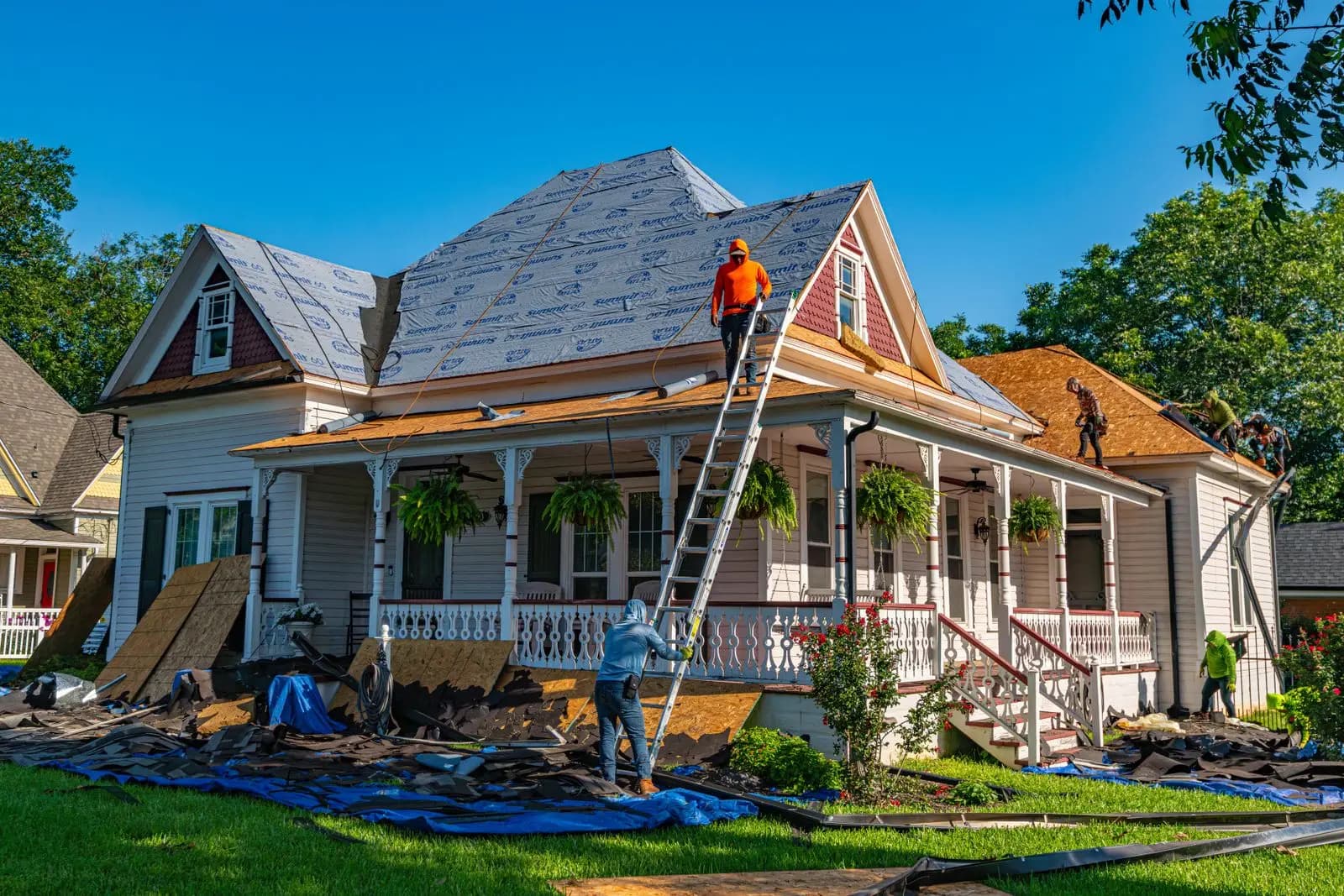
Roof Replacement
Roof replacement removes the old roofing down to the decking, repairs damaged decking, and installs new underlayment, flashing, ventilation and roofing.
Learn moreDeep dives
Flat Roof Repair specialties
One flat roof repair job, in full detail: what it covers, when it's the right fix, and when something else is.
Roof leaking or storm-damaged?
Stop the source if you can, then call. We'll connect you with a local roofing contractor that serves your ZIP.
Fast callback on emergency requests