Short answer
Most homeowners policies cover sudden roof damage from wind, hail or falling trees, minus your deductible; wear, age and poor maintenance aren't covered. Stop further damage, document everything, get a roofer's inspection, file promptly, and be there when the adjuster inspects.
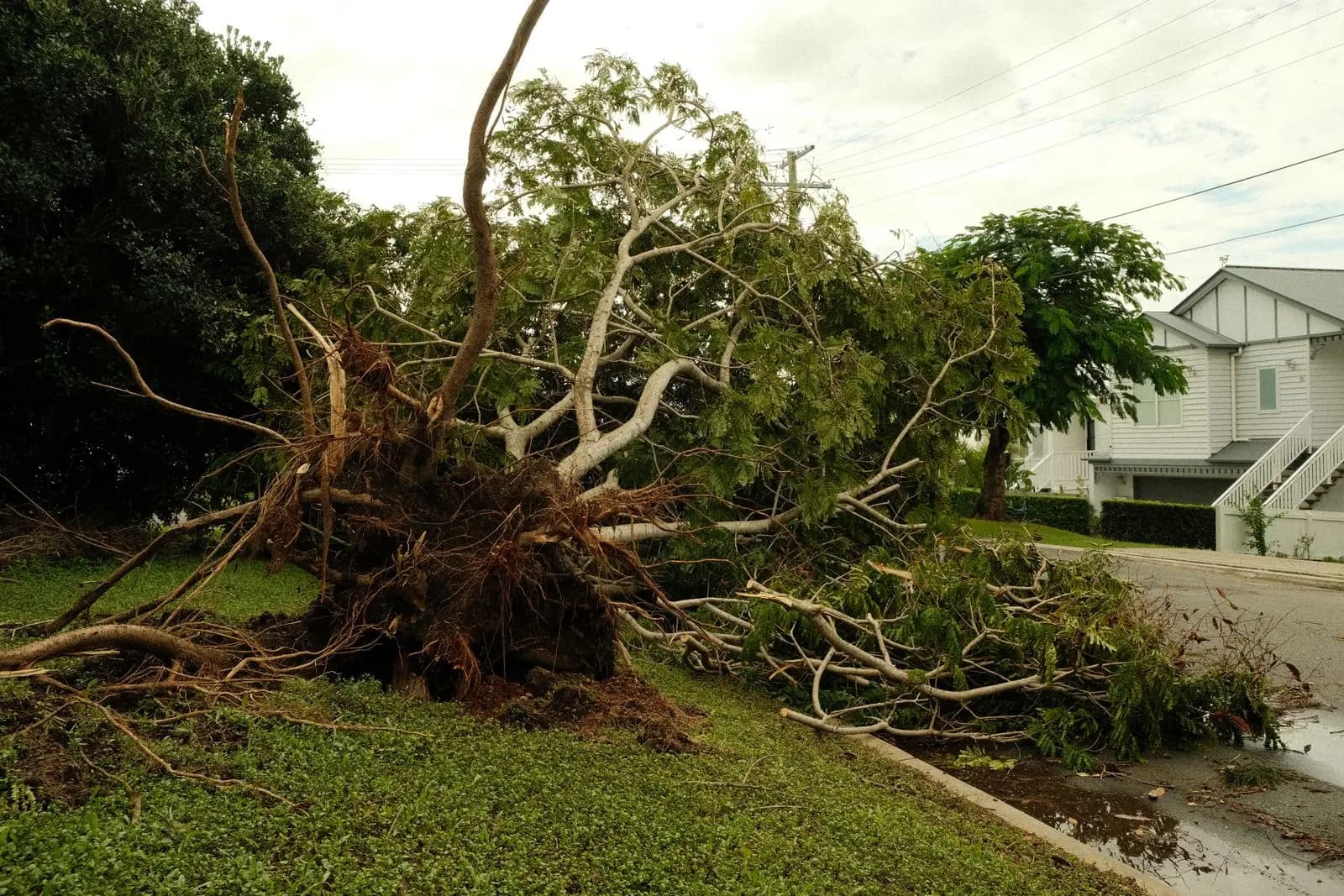
What homeowners insurance usually covers on a roof
Coverage depends on your policy, so read the declarations page and the roof-related exclusions before you file.
- Often covered: wind, hail, falling trees and limbs, fire, and the interior water damage those cause
- Often not covered: wear and tear, old age, poor maintenance, and in some policies cosmetic-only hail damage
- Watch for: percentage wind/hail deductibles, and whether the roof is paid at actual cash value or replacement cost
Step 1: Make the home safe and stop further damage
Policies generally expect you to take reasonable steps to prevent more damage after a loss. Move belongings, catch drips, and have the roof tarped if water is getting in. Keep receipts for tarping and emergency repairs; they are often part of the claim. See emergency roof tarping. Don't climb onto a wet or damaged roof.
Step 2: Document the damage
Good records make the claim faster and harder to dispute.
- Write down the storm date and time
- Photograph and video the roof from the ground, plus dented gutters, vents, siding and AC fins
- Photograph interior stains, wet insulation and damaged belongings
- Keep damaged pieces, such as shingles that blew off
Step 3: Get a roofer's inspection
A roofer can check the roof up close and give you a written report with photos. That tells you whether the damage is likely to exceed your deductible before you file. See roof inspection and how to spot hail damage.
Step 4: File the claim
Report the claim through your insurer's phone line, app or agent, and write down the claim number and adjuster's name. Policies and state rules set deadlines for reporting damage, so file promptly and check the duties-after-loss section of your policy. Ask which deductible applies to this claim.
Step 5: Meet the adjuster
The insurer sends an adjuster to inspect the roof and write an estimate. Be there for the visit, and ask your roofer to attend so they can point out damage the adjuster might miss. Ask for a copy of the estimate and compare it with the roofer's scope line by line.
How the payout works
Your deductible is subtracted from the approved amount. On a replacement-cost policy, insurers often pay the actual cash value first and release the withheld depreciation after the work is finished and invoiced. On an actual-cash-value policy, depreciation for the roof's age is not paid back. If you have a mortgage, the check may be made out to you and your lender together.
If the claim is denied or the estimate seems low
Ask for the denial or estimate explanation in writing. You can request a re-inspection, and a roofer can submit a supplement for items the estimate missed, such as flashing, ventilation or code-required upgrades. Many policies include an appraisal clause for disputes over the amount, and every state has an insurance department that accepts consumer complaints.
Avoiding storm-chaser scams
Be wary of contractors who knock on doors after storms, ask for large upfront payments, or offer to cover your deductible; some states make waiving or rebating a deductible illegal. Get a written estimate, verify licensing where your state requires it, and don't sign anything that hands over your claim rights without reading it.
Questions
What is a percentage deductible?
Some policies set the wind or hail deductible as a percentage of your dwelling coverage, often 1% to 2% or more, instead of a fixed dollar amount. On a home insured for $300,000, a 2% deductible is $6,000.
How long do I have to file a roof insurance claim?
It depends on your policy and your state. Policies require prompt notice and many set a deadline after the date of loss, so check the duties-after-loss section and file as soon as you know there's damage.
Will insurance pay for an old roof?
Damage from a covered event like hail or wind is usually covered regardless of age, but older roofs are often paid at actual cash value, which subtracts depreciation. Some policies use a roof payment schedule based on age.
Should my roofer be there when the adjuster comes?
It helps. The roofer can show the adjuster damage on each slope and agree on the scope of work, which reduces supplements and disputes later.
Will a roof claim raise my premium?
It can. Ask your agent how claims affect your rate, and get an inspection first so you don't file for damage below your deductible.
This guide is general information, not professional, legal or insurance advice. Follow your insurer's instructions and local codes, and put safety first.