Short answer
Hire a roofer who is licensed where your state requires it, carries liability and workers' comp insurance, gives a detailed written estimate, pulls the permit, and explains both the material and workmanship warranties.
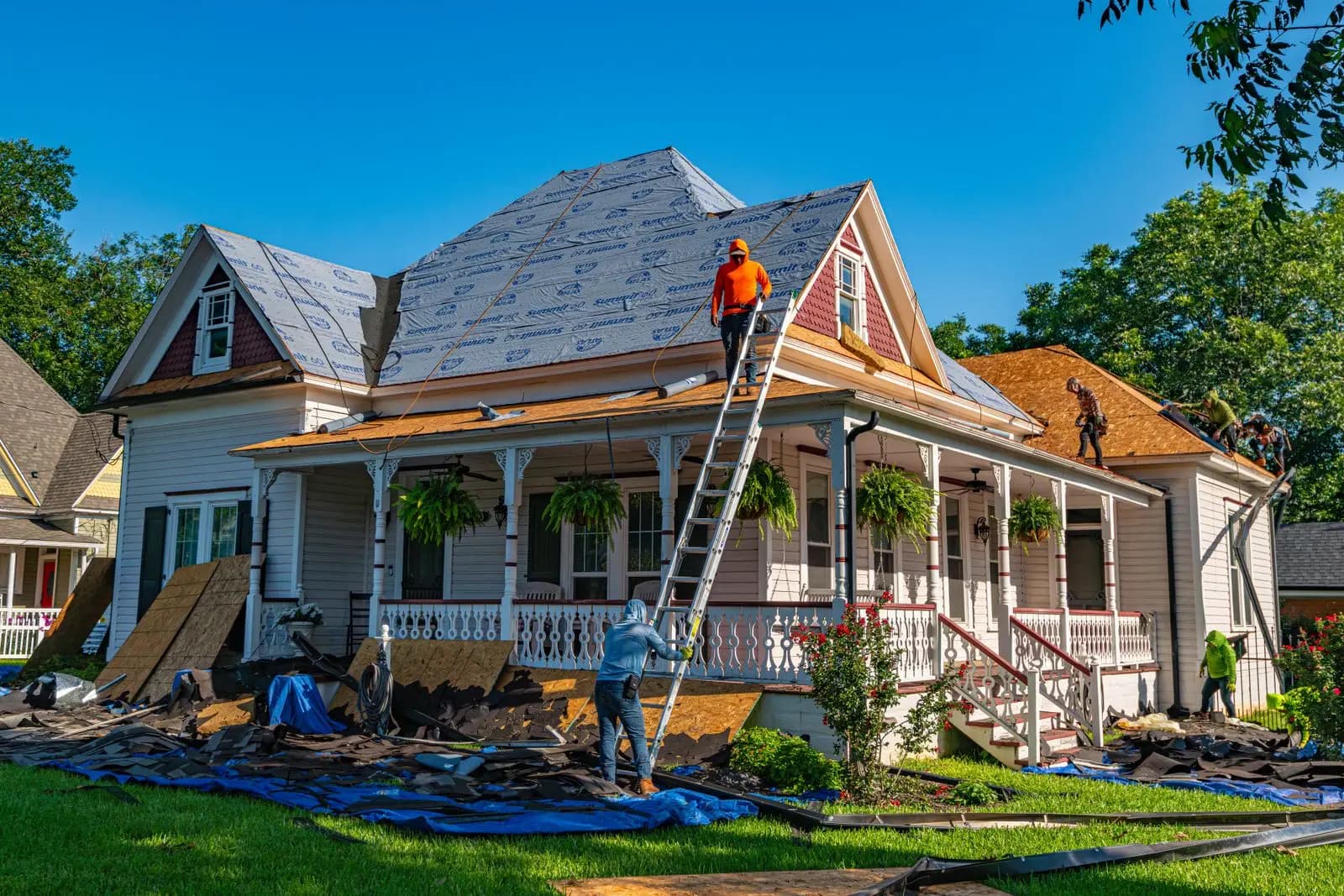
Check the basics
These protect you if something goes wrong.
- License or registration where your state requires it (see your state page)
- Certificates of liability and workers' comp insurance
- A local address and references
- A written estimate listing tear-off, decking, underlayment, flashing and ventilation
Warranties
The manufacturer covers materials; the contractor covers installation. Ask how long each lasts and what voids them.
Red flags
Large upfront deposits, pressure to sign the same day, offers to pay your deductible, and contracts that hand your insurance claim to the contractor without explanation. See filing a roof insurance claim.
Questions
How many estimates should I get?
Two or three is common, making sure each covers the same scope.
Who pulls the permit?
Usually the licensed contractor. Ask to see it.
This guide is general information, not professional, legal or insurance advice. Follow your insurer's instructions and local codes, and put safety first.