Roof Repair in Connecticut
Roof repair fixes specific problems, such as missing or damaged shingles, loose flashing, cracked vent boots or worn ridge caps, without replacing the whole roof. In Connecticut, storms and trees, ice dams and coastal wind are the conditions that most often lead to this work. GableGuard connects you with an independent local roofer that serves your ZIP code.
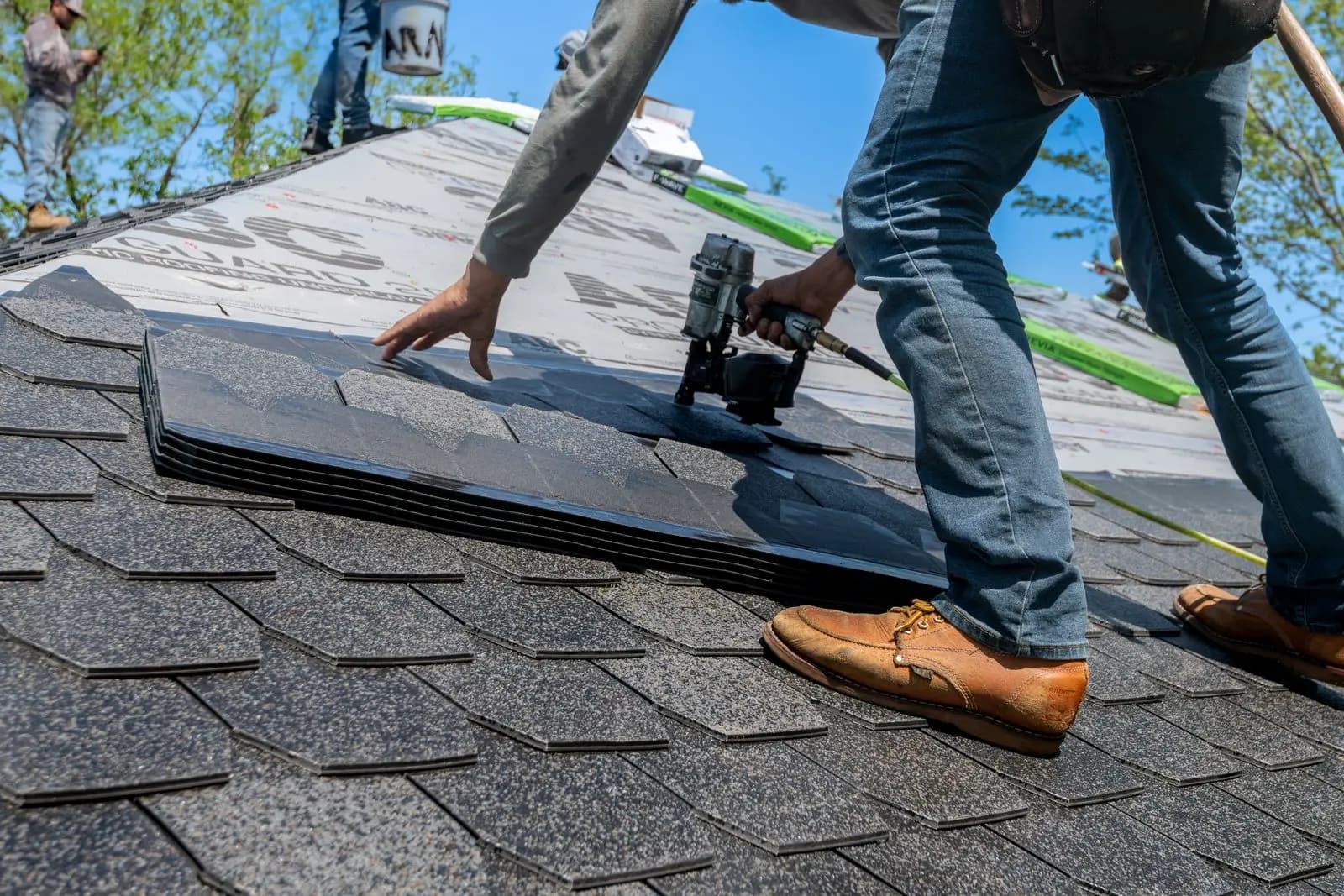
- Fast callback on emergency requests
- Network covers 262 Connecticut cities and 424 ZIP codes
- Independent local roofers; they quote before work starts
Connecticut conditions
Why Connecticut roofs need roof repair
Connecticut roofs take nor'easters, tropical storm remnants, summer thunderstorms and winter ice. Colonials and split-levels in the suburbs and multi-families in Hartford, Bridgeport and New Haven make up most of the roofs, many of them reaching replacement age.
Storms and trees
Heavy tree cover means limbs through roofs during wind and ice storms. Ice-dam damage usually shows at the eaves: lifted shingles, rotted decking and stained soffits, which the roofer repairs before checking attic ventilation.
Ice dams
Cold winters and older attics create ice dams at the eaves. Ice-dam damage usually shows at the eaves: lifted shingles, rotted decking and stained soffits, which the roofer repairs before checking attic ventilation.
Coastal wind
Shoreline towns see hurricane and nor'easter wind damage. Tropical storms bring sustained wind and wind-driven rain that forces water under shingles and flashing.
What's included
How roof repair works
- 1Inspect. The roofer looks at the whole roof, not just the reported problem.
- 2Explain options. You get a written scope: repair now, what to watch, and when replacement makes sense.
- 3Repair. Damaged components are replaced and sealed, matching materials as closely as possible.
- 4Reflash details. Nearby flashing, boots and sealant that are starting to fail are addressed while the crew is set up.
- 5Clean up. Nails and debris are removed with a magnetic sweep.
Full roof repair guide: signs, process and what you can do safely
Warning signs
Signs you need roof repair in Connecticut
The local conditions behind most roof repair calls in Connecticut are: storms and trees, ice dams and coastal wind. Check for these first:
- Rusted or bent drip edge at the eaves
- Missing, cracked or curled shingles
- Rust or gaps in chimney or wall flashing
- Cracked rubber boots around plumbing vents
Before the roofer arrives
What to do first
Safe to do
- Check the attic after heavy rain for new stains
- Note the locations of leaks and photograph them
- Clean gutters from a stable ladder if you're comfortable
Stop and call if
- Any repair that requires walking on the roof
- Work around chimneys, skylights or electrical service masts
- Removing shingles to 'see what's underneath'
Permits and licensing
Hiring a roofer in Connecticut
Connecticut requires home improvement contractors to be registered with the Department of Consumer Protection. Permits come from local building officials. Registered contractors also contribute to a guaranty fund that can help consumers in some disputes.
Cost
What affects the price of roof repair
Every job is quoted on site by the contractor. In Connecticut, the conditions behind most roof repair work are: storms and trees, ice dams and coastal wind. These are the factors that move the number.
- Type and number of repairs
- Roof pitch, height and access
- Material matching
- Decking replacement if rot is found
- How many penetrations and details need reflashing
FAQ
Roof Repair in Connecticut: questions
Why do Connecticut homeowners need roof repair?
Connecticut roofs take nor'easters, tropical storm remnants, summer thunderstorms and winter ice. Colonials and split-levels in the suburbs and multi-families in Hartford, Bridgeport and New Haven make up most of the roofs, many of them reaching replacement age. Ice-dam damage usually shows at the eaves: lifted shingles, rotted decking and stained soffits, which the roofer repairs before checking attic ventilation.
Who does roof repair in Connecticut?
Independent local roofing contractors. GableGuard is a free referral service: we connect you with a contractor in our network that covers your ZIP, across 262 Connecticut cities and 424 ZIP codes. The contractor inspects and quotes before any work starts.
Do I need a permit or a licensed roofer in Connecticut?
Connecticut requires home improvement contractors to be registered with the Department of Consumer Protection. Permits come from local building officials. Registered contractors also contribute to a guaranty fund that can help consumers in some disputes.
How do I verify a Connecticut roofer?
Look up their home improvement contractor registration on the Department of Consumer Protection's eLicense site.
Does homeowners insurance cover tree damage to my roof?
Usually, when a covered peril like wind knocks a tree onto the roof. Removal coverage may be limited. Check your policy.
My roof has two layers of shingles. Does that change repairs?
It complicates them. Repairs through two layers are harder to seal, and two layers are often a sign the roof should be torn off instead of patched again.
Roof Repair in Connecticut's largest cities
Connecticut cities we cover
Other roofing services in Connecticut
Roof Repair in nearby states
Roof Repair in Connecticut
Call and we'll connect you with an independent Connecticut roofing contractor that serves your ZIP code.
Fast callback on emergency requests